


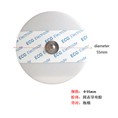
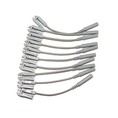
In medical settings, SpO2 monitoring is critical for assessing respiratory and circulatory functions. The performance of reusable SpO2 sensors directly impacts data accuracy and clinical decisions. This condensed guide helps medical buyers, technicians, and foreign trade professionals master pre-use testing.
I. Pre-Testing Prep
Eliminate external interference with these steps:
- Environment & Tools: Keep temperature at 18-25℃, humidity 30%-60%, and avoid strong light. Prepare a calibrated SpO2 monitor, standard simulated finger/healthy volunteer's finger, soft cloth, and 75% medical alcohol.
- Sensor Check: Inspect for cracked/deformed/yellowed probe shells (prevents internal component damage), undamaged cables (no wear/breakage), and rust-free/loose-free connectors. Confirm sensor-model compatibility with the monitor (avoid brand-protocol mismatches).
II. Core Testing Steps
- Connection Test: Connect the sensor to the monitor; power on. The monitor should recognize the sensor within 30s. If not, recheck contacts/compatibility-persistent issues mean possible internal faults.
- Function Test: Attach the probe to the simulated/volunteer's finger (no light leakage). The monitor should show SpO2 and pulse rate in 10-15s. Slight probe adjustments shouldn't cause sharp data fluctuations or loss (unstable signals indicate aging LEDs/photodetectors).
- Accuracy Test: Use a calibrated SpO2 simulator to generate standard values (90%, 95%, 100%). Ensure errors follow ISO 80601-2-61: ±2% (80%-100% SpO2) or ±3% (70%-79% SpO2). Exceeding this requires recalibration; failed recalibration means discarding.
- Durability Test: For used sensors, run 30-min continuous monitoring. Record data every 5min-variations should stay ±1%. Gradual deviations signal component fatigue.

III. Post-Test & Maintenance
- Disposal: Qualified sensors: Clean with alcohol, dry, and store in a clean/dry box. Unqualified sensors: Mark and isolate; repair minor faults (e.g., small cable damage) or discard irreparable ones (per medical waste rules).
- Daily Care: Clean the probe with alcohol after use (no full soaking); avoid pulling cables/twisting probes or exposing to extreme environments. Retest every 3 months (or per manufacturer's advice).
Following these steps ensures accurate SpO2 monitoring and compliance with global regulations-critical for medical institutions and device exporters.