


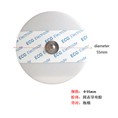
SpO2 (peripheral capillary oxygen saturation)-a key metric for assessing oxygen delivery to peripheral tissues-is typically measured with a pulse oximeter, a non-invasive, easy-to-use device. Below is a simplified step-by-step guide and key notes:
1. Prepare the Device & Environment
Choose a clinically validated pulse oximeter (e.g., fingertip models for home use; wrist/tabletop for clinics). Clean the sensor with mild disinfectant (if shared) and ensure it has power.
Avoid direct/strong light or electromagnetic interference (e.g., near large medical gear) to prevent distorted readings. Keep the room at a comfortable temperature (extreme cold reduces finger blood flow).
2. Prep the Measurement Site
Adults/older children: Use the fingertip (index, middle, ring). Infants: Use the foot or palm (sensor should fit snug, not tight).
Wipe the site dry to remove sweat, lotion, or dirt (moisture skews results).
Remove nail polish (dark polish absorbs light), acrylic nails, or jewelry-use another finger/hand if polish can't be removed.
3. Apply the Sensor
Fingertip models: Slide the finger fully into the sensor; align the nail with the light-emitting side (often marked). Fit snugly-too tight restricts blood flow.
Wrist-worn/clip models: Gently clip the sensor to the finger, aligning its light source/detector with the capillary bed (under the nail).
4. Take the Reading
Stay still: Sit/lie comfortably, keep the measured hand/foot relaxed and at heart level (e.g., on a table). Movement causes inaccurate "motion artifact."
Wait for stabilization: Turn on the device-it detects the pulse and shows SpO2 + pulse rate (BPM) in 5–10 seconds. For reliability, wait 1–2 minutes until the SpO2 value stabilizes.
5. Interpret Results
Normal range: 95%–100% for healthy adults (room air). 92%–94% = mild hypoxemia (monitor closely); below 92% = consult a healthcare provider (especially with shortness of breath/chest pain).
Check pulse correlation: Ensure the oximeter's BPM matches a manual pulse count (wrist/neck). A large gap may mean misapplied sensors or a faulty device.
Key Accuracy Notes
Avoid poor perfusion: Warm cold hands (e.g., rub together) or loosen tight clothing-dehydration/shock reduces peripheral blood flow, falsifying low readings.
Not a replacement for ABG tests: Pulse oximetry is a screening tool; arterial blood gas (ABG) tests are more accurate for measuring arterial oxygen.
Maintain the device: Calibrate regularly (per manufacturer instructions), especially for clinical use.
Follow these steps for reliable SpO2 readings in home monitoring, clinical care, or post-surgery.