


I. Introduction to EKG Cables
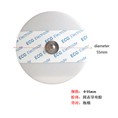
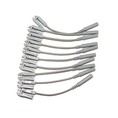
EKG (Electrocardiogram) cables are essential components in electrocardiography equipment. They play a vital role in transmitting the electrical signals of the heart from the electrodes placed on the patient's body to the electrocardiogram machine for accurate diagnosis and monitoring of heart conditions.
II. Market Trends
Growth Projection
The global EKG cable market is expected to grow at a significant rate in the coming years. The increasing prevalence of cardiovascular diseases, which require regular electrocardiogram tests, is a major driver. The market is projected to expand at a CAGR (Compound Annual Growth Rate) of around 4.5% from 2020 - 2027.
Technological AdvancementsSignal Transmission and Noise Reduction
Newer EKG cables are designed with advanced shielding materials to reduce electromagnetic interference. For example, the use of braided copper shielding can significantly improve the signal - to - noise ratio. This ensures that the electrocardiogram signals are transmitted with high fidelity, allowing for more accurate interpretation of the heart's electrical activity.
Compatibility and Connectivity
With the development of digital healthcare systems, EKG cables are now being designed to be more compatible with a wide range of electrocardiogram machines and software interfaces. Some cables come with USB or Bluetooth connectivity options, enabling seamless data transfer to electronic health record (EHR) systems. This allows healthcare providers to access and analyze patient data more efficiently, even remotely.
Miniaturization and Patient Comfort
Manufacturers are focusing on making EKG cables more compact and lightweight. Smaller connectors and thinner cable diameters not only improve patient comfort during the test but also make the equipment more portable. For example, in wearable electrocardiogram devices, the cables are designed to be flexible and unobtrusive, allowing patients to wear them for extended periods for continuous heart monitoring.
III. Key Market Players and Their Strategies
3M
3M is a well - known player in the EKG cable market. They are known for their high - quality products and continuous innovation. Their strategy includes investing in research and development to improve cable durability and signal quality. They also focus on providing comprehensive product lines that cover different types of electrocardiogram applications, from hospital - grade to home - use devices.
GE Healthcare
GE Healthcare offers a range of EKG cables that are integrated with their advanced electrocardiogram machines. Their strategy is to provide a seamless user experience by ensuring that the cables and the machines work together optimally. They also collaborate with healthcare institutions to develop custom - made solutions for specific clinical needs, such as in cardiac intensive care units.
Cardinal Health
Cardinal Health emphasizes on cost - effective solutions without compromising on quality. They have a wide distribution network, which allows them to reach a large number of healthcare providers. Their EKG cables are designed to meet the diverse needs of different healthcare settings, from small clinics to large hospitals.
IV. Regulatory and Quality Standards
Medical Device Regulations
EKG cables are classified as medical devices, and they are subject to strict regulatory requirements in different countries. In the United States, the Food and Drug Administration (FDA) regulates their manufacturing, labeling, and marketing. Manufacturers need to ensure compliance with safety and performance standards, such as electrical safety and biocompatibility.
Quality Assurance
Quality control is of utmost importance in the production of EKG cables. Manufacturers conduct extensive testing, including electrical impedance testing to ensure accurate signal transmission, and mechanical testing to assess cable durability. ISO 13485 is a widely recognized quality management system standard for medical device manufacturers, and many companies in the EKG cable industry adhere to it to ensure consistent product quality.
V. Future Outlook
Integration with Wearable Technology
The future of EKG cables lies in their integration with wearable health technology. As the demand for continuous heart monitoring outside of traditional healthcare settings grows, cables will need to be even more flexible and durable. They will be designed to work with smartwatches, fitness trackers, and other wearable devices to provide real - time heart - rate and electrocardiogram data to both patients and healthcare providers.
Artificial Intelligence and Data Analytics
With the increasing amount of electrocardiogram data collected through EKG cables, there will be a greater emphasis on using artificial intelligence and data analytics. Machine - learning algorithms can analyze the electrocardiogram signals to detect early signs of heart diseases more accurately than traditional methods. The cables will play a crucial role in providing the raw data for these advanced analytics, leading to more personalized and proactive healthcare.