



Hey there! I'm a supplier of reusable NIBP cuffs, and over the years, I've seen my fair share of issues with these things. NIBP, or non-invasive blood pressure cuffs, are super important in the medical field. They're used all the time to measure patients' blood pressure without any needles or invasive procedures. But like any medical device, they come with their own set of common problems. In this blog, I'll share some of the most frequent issues I've encountered and how to deal with them.

1. Fit and Sizing Problems
One of the most common problems with reusable NIBP cuffs is getting the right fit. If the cuff is too small, it can give a falsely high blood pressure reading. On the other hand, if it's too large, the reading might be lower than the actual blood pressure. This is a big deal because inaccurate readings can lead to misdiagnosis and improper treatment.
For example, if a patient has a normal blood pressure, but the cuff is too small, the reading might show high blood pressure. The doctor might then prescribe unnecessary medications. Conversely, if the cuff is too large and gives a low reading, a patient with high blood pressure might go untreated.
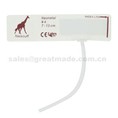
To avoid this issue, it's crucial to choose the right size cuff for the patient. Most cuffs come in different sizes, like neonate, infant, child, adult, large adult, and thigh sizes. You can check out our Reusable Blood Arm Pressure Cuff With Single Tube Green(Neonate/Infant/Child/Adult/Large Adult/Thigh)Compatible With Philips for a wide range of sizes that can fit different patients.
2. Wear and Tear
Since reusable NIBP cuffs are used multiple times, they're prone to wear and tear. The fabric can start to fray, the Velcro might lose its stickiness, and the air hoses can develop leaks. All these issues can affect the accuracy of the blood pressure readings.
Frayed fabric can make the cuff uncomfortable for the patient, and it might not wrap around the arm properly. When the Velcro doesn't stick well, the cuff can come loose during the measurement, leading to inaccurate results. And air leaks in the hoses can prevent the cuff from inflating and deflating correctly.
Regular inspection and maintenance are key to dealing with wear and tear. Check the cuffs for any signs of damage before each use. If you notice frayed fabric or loose Velcro, it might be time to replace the cuff. For air leaks in the hoses, you can try to patch them up, but if the damage is severe, it's better to get a new hose or a whole new cuff. Our D-Ring Nylon Fabric Blood Pressure Cuff is made of high - quality nylon fabric that's more durable and less likely to fray quickly.
3. Hygiene Concerns
Reusable NIBP cuffs are used on multiple patients, so hygiene is a major concern. If the cuffs aren't cleaned properly, they can become a breeding ground for bacteria and other pathogens. This can pose a risk of cross - contamination between patients.
To keep the cuffs clean, they should be disinfected after each use. Most cuffs can be wiped down with a mild disinfectant solution. However, some cuffs might require more thorough cleaning, like being washed in a washing machine. It's important to follow the manufacturer's cleaning instructions to ensure proper hygiene.
For example, our Infant Single Tube Nibp Blood Pressure Cuff 10 - 19cm Blue has clear cleaning instructions that make it easy to maintain a high level of hygiene. This is especially important when dealing with infants, as their immune systems are still developing.
4. Compatibility Issues
Not all NIBP cuffs are compatible with all blood pressure monitors. If you use an incompatible cuff with a monitor, it might not work properly, or it could give inaccurate readings. This can be a real headache for healthcare providers, as they need to make sure they have the right cuffs for their monitors.
Before purchasing a cuff, it's essential to check its compatibility with the blood pressure monitor you're using. Most manufacturers will list the compatible monitors on the product description. Our cuffs are designed to be compatible with a wide range of popular blood pressure monitors, including Philips, to reduce the risk of compatibility issues.
5. Calibration Problems
Over time, the sensors in the NIBP cuffs can become less accurate. This can happen due to normal wear and tear or exposure to different environmental conditions. When the sensors aren't calibrated correctly, the blood pressure readings can be off.
Calibration is the process of adjusting the sensors to ensure accurate readings. Most blood pressure monitors have a calibration function, but it's important to follow the manufacturer's instructions carefully. In some cases, you might need to send the cuff to a professional calibration service.
Regular calibration checks can help catch any issues early and ensure that the cuffs are providing accurate readings. This is crucial for making informed medical decisions based on the blood pressure measurements.
6. User Error
Sometimes, the problems with NIBP cuffs aren't due to the cuffs themselves but rather how they're used. For example, if the cuff isn't placed correctly on the arm, it can give inaccurate readings. The cuff should be placed at the same level as the heart, and it should be wrapped snugly around the arm.
Another common user error is not allowing the patient to rest before taking the blood pressure measurement. If the patient is active or stressed, the blood pressure reading can be higher than normal. It's important to let the patient sit quietly for a few minutes before taking the measurement.
Healthcare providers should be properly trained on how to use the NIBP cuffs correctly. This includes placing the cuff, operating the blood pressure monitor, and interpreting the readings.
Conclusion
Reusable NIBP cuffs are essential medical devices, but they do come with their fair share of common problems. Fit and sizing, wear and tear, hygiene, compatibility, calibration, and user error are all issues that need to be addressed to ensure accurate blood pressure measurements.

As a supplier, I'm committed to providing high - quality reusable NIBP cuffs that minimize these problems. Our cuffs are made with durable materials, come in a variety of sizes, and are designed to be compatible with popular blood pressure monitors. We also provide clear instructions on cleaning and calibration to help you get the most out of our products.
If you're in the market for reusable NIBP cuffs or have any questions about the issues I've discussed in this blog, feel free to reach out. We're here to help you find the right cuffs for your needs and ensure that you're getting accurate blood pressure measurements.

References
- AAMI/ANSI SP10:2010, American National Standard/Association for the Advancement of Medical Instrumentation - Specification for Noninvasive Sphygmomanometers.
- European Society of Hypertension International Protocol Revision 2010 for the validation of blood pressure measuring devices in adults.