



Hey there! As a supplier of Reusable Spo2 Sensors, I've seen my fair share of issues with false readings. It's a common headache for everyone involved in patient monitoring, from healthcare providers to patients themselves. In this blog, I'll walk you through how these nifty sensors deal with false readings and why it matters.
What Causes False Readings?
Before we dive into solutions, let's talk about what causes those pesky false readings. There are a bunch of factors that can throw off the accuracy of a Spo2 sensor.

Motion Artifact
This is one of the most common culprits. When a patient moves their finger or the sensor gets jostled around, it can mess up the signal. The sensor measures the amount of light absorbed by oxygenated and deoxygenated hemoglobin in the blood. Any movement can cause the blood to shift, making it look like the oxygen levels are changing when they're not.
Poor Perfusion
If a patient has poor blood circulation, maybe due to cold hands, low blood pressure, or a disease like diabetes, the sensor might not be able to get a good reading. The sensor needs a good flow of blood to accurately measure oxygen saturation. When perfusion is low, the signal can be weak or inconsistent, leading to false readings.
External Light
External light, like sunlight or bright room lights, can interfere with the sensor's light source. The sensor emits infrared and red light to measure oxygen saturation. If there's too much external light, it can mix with the sensor's light and give inaccurate results.
Nail Polish and Artificial Nails
Believe it or not, nail polish and artificial nails can also cause false readings. The pigments in nail polish can absorb or reflect the light used by the sensor, affecting the accuracy of the measurement.
How Reusable Spo2 Sensors Deal with False Readings
Now that we know what causes false readings, let's talk about how Reusable Spo2 Sensors handle them.
Advanced Signal Processing
Most modern Reusable Spo2 Sensors come with advanced signal processing algorithms. These algorithms are designed to filter out noise and interference caused by motion, poor perfusion, and external light. They analyze the signal from the sensor and look for patterns that indicate a false reading. For example, if the signal suddenly jumps up and down in an unrealistic way, the algorithm might recognize it as motion artifact and adjust the reading accordingly.
Multiple Wavelengths
Some sensors use multiple wavelengths of light to measure oxygen saturation. By using different wavelengths, the sensor can get a more accurate picture of the oxygen levels in the blood. This helps reduce the impact of factors like nail polish and artificial nails, which might only affect one wavelength of light.
Improved Sensor Design
Reusable Spo2 Sensors are constantly being improved in terms of design. They're made to fit more securely on the finger, reducing the chances of motion artifact. Some sensors also have special coatings or materials that block out external light, improving the accuracy of the reading.
User Feedback and Alerts
Many sensors are equipped with user feedback and alert systems. If the sensor detects a false reading or a problem with the signal, it will send an alert to the user. This can be a visual or auditory warning, letting the user know that the reading might not be accurate and that they need to take action, like repositioning the sensor or checking the patient's perfusion.
Real - World Examples of Dealing with False Readings
Let's take a look at some of our products and how they handle false readings.
Use With Nihon Kohden Adult spo2 Sensor
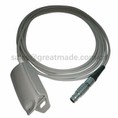
Our Use With Nihon Kohden Adult spo2 Sensor is designed with advanced signal processing algorithms. These algorithms are great at filtering out motion artifact. Whether the patient is moving around in bed or trying to sit up, the sensor can still provide a reliable reading. The sensor also has a secure fit, which means it's less likely to get jostled around and cause false readings.
Philips/HP compatible Reusable 12 PIN Pediatric Finger Clip Spo2 Sensor
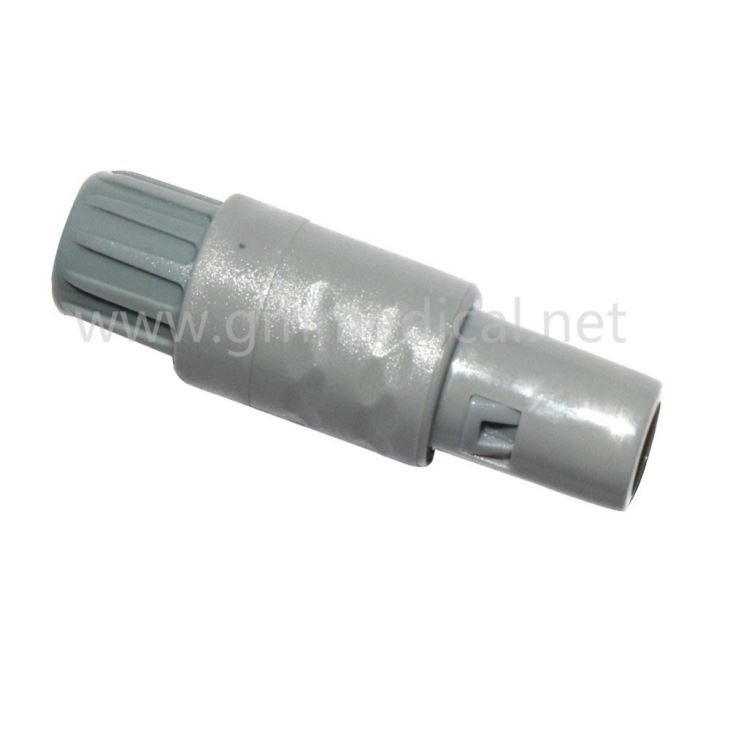
Kids can be a handful, and they're always on the move. That's why our Philips/HP compatible Reusable 12 PIN Pediatric Finger Clip Spo2 Sensor is a great choice for pediatric patients. It uses multiple wavelengths of light to measure oxygen saturation, which helps reduce the impact of factors like nail polish or poor perfusion. The sensor also has an adjustable clip, so it can fit snugly on a child's finger without causing discomfort.
Mindray PM 9000 6Pin Adult Finger Spo2 Sensor
The Mindray PM 9000 6Pin Adult Finger Spo2 Sensor is another great example. It has a special coating that blocks out external light, ensuring that the sensor gets an accurate reading even in bright environments. The sensor also comes with a user feedback system that alerts the user if there's a problem with the reading.
Why It Matters
Accurate Spo2 readings are crucial in healthcare. False readings can lead to misdiagnosis and improper treatment. For example, if a patient's Spo2 level is falsely reported as low, the healthcare provider might administer unnecessary oxygen therapy. On the other hand, if a false high reading is reported, the provider might miss a serious oxygenation problem.
By using Reusable Spo2 Sensors that can effectively deal with false readings, healthcare providers can make more informed decisions about patient care. Patients can also have more confidence in the accuracy of their health monitoring.
Wrapping Up and Looking to the Future
As a Reusable Spo2 Sensor supplier, we're always working on improving our products to better deal with false readings. We're constantly researching and developing new technologies to make our sensors more accurate, reliable, and user - friendly.
If you're in the market for high - quality Reusable Spo2 Sensors that can handle false readings effectively, we'd love to talk to you. Whether you're a hospital, a clinic, or an individual looking for a reliable way to monitor oxygen saturation, we have the right product for you. Don't hesitate to reach out for more information and to start a procurement discussion. We're here to help you get the best possible Spo2 monitoring solution.
References
- "Principles of Pulse Oximetry" by J. S. Gravenstein, et al.
- "Motion Artifact Rejection in Pulse Oximetry" by X. Zhou and B. K. Baish.
- "Advanced Signal Processing for Spo2 Sensors" from IEEE Transactions on Biomedical Engineering.