



Using a pulse oximeter correctly is crucial for obtaining accurate readings of your blood oxygen saturation level (SpO2) and pulse rate. As a leading Pulse oximeter supplier, we understand the importance of offering clear guidance on using these devices effectively. In this blog, we'll provide you with a comprehensive guide on how to use a pulse oximeter properly.
Understanding the Pulse Oximeter
Before we dive into the usage, let's briefly understand what a pulse oximeter is and how it works. A pulse oximeter is a non-invasive medical device that measures the percentage of oxygen - saturated hemoglobin in your blood and your pulse rate. It typically consists of a small, clip - like device that you place on your finger, toe, or earlobe. The device emits two wavelengths of light (red and infrared) through the tissue, and the amount of light absorbed by the blood is measured to calculate the oxygen saturation.
Choosing the Right Pulse Oximeter
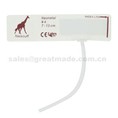
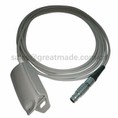
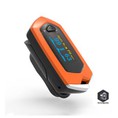
There are various types of pulse oximeters available in the market. As a supplier, we offer a range of high - quality products, including the Fingertip Pulse Oximeter SpO2 Pulse Sensor, Portable Fingertip Pulsoximetro Monitors OLED Saturometro Heart Rate PR SpO2 Meter Oximetro Sleep Monitoring, and LED Display Blood Oxygen Monitor Fingertip. When choosing a pulse oximeter, consider factors such as accuracy, ease of use, display quality, and battery life.
Preparing to Use the Pulse Oximeter
- Rest and Relax: Before taking a measurement, it's important to rest for at least 5 - 10 minutes. Physical exertion can temporarily affect your SpO2 and pulse rate, leading to inaccurate readings. Sit or lie down in a comfortable position and try to relax your body and mind.
- Warm Your Hands: Cold hands can cause poor blood circulation, which may result in inaccurate readings. If your hands are cold, warm them up by rubbing them together or placing them under warm running water for a few seconds.
- Remove Nail Polish and Jewelry: Nail polish, especially dark - colored ones, can interfere with the light absorption in the pulse oximeter, affecting the accuracy of the readings. Remove any nail polish from your fingernail and take off any rings or bracelets on the hand you'll be using.
Using the Pulse Oximeter
- Turn on the Device: Most pulse oximeters are activated by simply opening the clip and placing your finger inside. Some devices may have a power button on the side or back; press it to turn on the device. You should see the display light up, indicating that the device is ready for use.
- Select the Finger: Choose the middle or index finger of your non - dominant hand for the most accurate results. Place your finger gently into the clip of the pulse oximeter, making sure that your fingernail is facing up. The device should fit snugly but not too tightly on your finger.
- Wait for the Reading: Once your finger is in place, the pulse oximeter will start to analyze your blood oxygen saturation and pulse rate. It usually takes about 10 - 20 seconds for the device to display a stable reading. Keep your finger still during this time to ensure accurate results.
- Read the Results: The pulse oximeter will display two main values: SpO2 and pulse rate. The SpO2 is shown as a percentage, with a normal range typically between 95% - 100%. The pulse rate is measured in beats per minute (BPM), and a normal resting pulse rate for adults is between 60 - 100 BPM. Take note of these values, and if you're tracking your health, record them in a notebook or a health - tracking app.
Interpreting the Results
- Normal Readings: A SpO2 level of 95% - 100% and a pulse rate within the normal range (60 - 100 BPM) generally indicate good health. However, factors such as altitude, exercise, and certain medical conditions can influence these values.
- Low SpO2 Readings: If your SpO2 level is below 90%, it may indicate that your body is not getting enough oxygen. This could be a sign of a respiratory or circulatory problem, and you should seek medical advice immediately.
- Abnormal Pulse Rate: A pulse rate that is consistently above 100 BPM or below 60 BPM may also be a cause for concern. It could be due to factors such as stress, medication, or underlying health conditions.
Using the Pulse Oximeter for Special Situations
- During Sleep: If you're using a pulse oximeter for sleep monitoring, such as the Portable Fingertip Pulsoximetro Monitors OLED Saturometro Heart Rate PR SpO2 Meter Oximetro Sleep Monitoring, make sure to place the device on your finger before going to bed. Try to keep your hand as still as possible during sleep to avoid inaccurate readings.
- After Exercise: Wait at least 10 - 15 minutes after intense exercise before taking a measurement. Exercise can cause temporary fluctuations in SpO2 and pulse rate, so it's important to let your body recover first.
Maintaining Your Pulse Oximeter
- Clean the Device Regularly: Use a soft, dry cloth to clean the exterior of the pulse oximeter. If necessary, you can lightly dampen the cloth with water, but avoid getting water inside the device.
- Replace the Batteries: Check the battery level of your pulse oximeter regularly and replace the batteries as needed. Using old or low - quality batteries can affect the performance of the device.
- Store the Device Properly: When not in use, store the pulse oximeter in a cool, dry place. Avoid exposing it to extreme temperatures, humidity, or direct sunlight.
Contact Us for Purchase and Consultation
If you're interested in purchasing high - quality pulse oximeters, we're here to help. Our products are designed to provide accurate and reliable readings, making them suitable for both personal and medical use. Whether you're an individual looking to monitor your health or a medical institution in need of bulk supplies, we can offer you the right solution.
Feel free to reach out to us to discuss your specific requirements and get a quote. We're dedicated to providing excellent customer service and ensuring that you're satisfied with your purchase.


References
- American Lung Association. "How to Use a Pulse Oximeter."
- Mayo Clinic. "Pulse Oximetry: How It Works, What the Results Mean."