



Can a temperature probe be used in a 3D printer? This is a question that many 3D printing enthusiasts and professionals often ask. As a temperature probe supplier, I am here to provide you with in - depth insights into this topic.
Understanding the Role of Temperature in 3D Printing
3D printing is a complex process that involves melting and solidifying materials layer by layer. Temperature plays a crucial role in every step of this process. For the extruder, maintaining the right temperature ensures that the filament is melted to the optimal viscosity. If the temperature is too low, the filament may not flow smoothly, leading to clogged nozzles or poor layer adhesion. On the other hand, if the temperature is too high, the filament can become too runny, causing stringing and over - extrusion.
The build plate temperature is also essential. It helps the first layer of the print to adhere properly to the plate. A suitable build plate temperature can prevent warping, which is a common problem in 3D printing where the edges of the print lift off the build plate.
The Function of Temperature Probes
Temperature probes are devices used to measure temperature accurately. They work based on different principles, such as thermocouples, resistance temperature detectors (RTDs), and thermistors.
Thermocouples generate a voltage that is proportional to the temperature difference between two junctions. They are known for their wide temperature range and durability, making them suitable for high - temperature applications. RTDs, on the other hand, change their electrical resistance with temperature. They offer high accuracy and stability but are generally more expensive. Thermistors are semiconductor devices with a resistance that varies significantly with temperature. They are often used for their high sensitivity and low cost.
Using Temperature Probes in 3D Printers
Now, let's address the question: Can a temperature probe be used in a 3D printer? The answer is a resounding yes. Temperature probes can be extremely beneficial in 3D printers.
In the extruder, a temperature probe can continuously monitor the temperature of the filament as it is being melted. This real - time feedback allows the printer's control system to adjust the heating element's power to maintain a consistent temperature. For example, if the temperature starts to drop, the control system can increase the power to the heater to bring the temperature back up.
On the build plate, a temperature probe can ensure that the surface temperature remains within the optimal range for the specific filament being used. Different filaments, such as PLA, ABS, and PETG, have different ideal build plate temperatures. By using a temperature probe, the printer can adjust the heating of the build plate accordingly.
Types of Temperature Probes Suitable for 3D Printers
- Thermocouples: These are a popular choice for 3D printers, especially those that operate at high temperatures. They can withstand the high heat generated by the extruder and provide reliable temperature measurements. For example, in printers that use materials like polycarbonate, which require high extrusion temperatures, thermocouples can accurately monitor the temperature without being damaged.
- Thermistors: Thermistors are commonly used in consumer - grade 3D printers. They are relatively inexpensive and offer good sensitivity for the temperature ranges typically used in these printers. Most PLA - based 3D printers can benefit from the use of thermistors to monitor both the extruder and build plate temperatures.
Our Temperature Probe Offerings
As a temperature probe supplier, we offer a wide range of high - quality temperature probes suitable for 3D printers.
One of our products is the [Reusable Temperature Probe For Drager MU12533](/temperature - probe/reusable - temperature - probe - for - drager - mu12533.html). This probe is known for its accuracy and durability. It can be used in various industrial applications, including 3D printing, where precise temperature measurement is required.
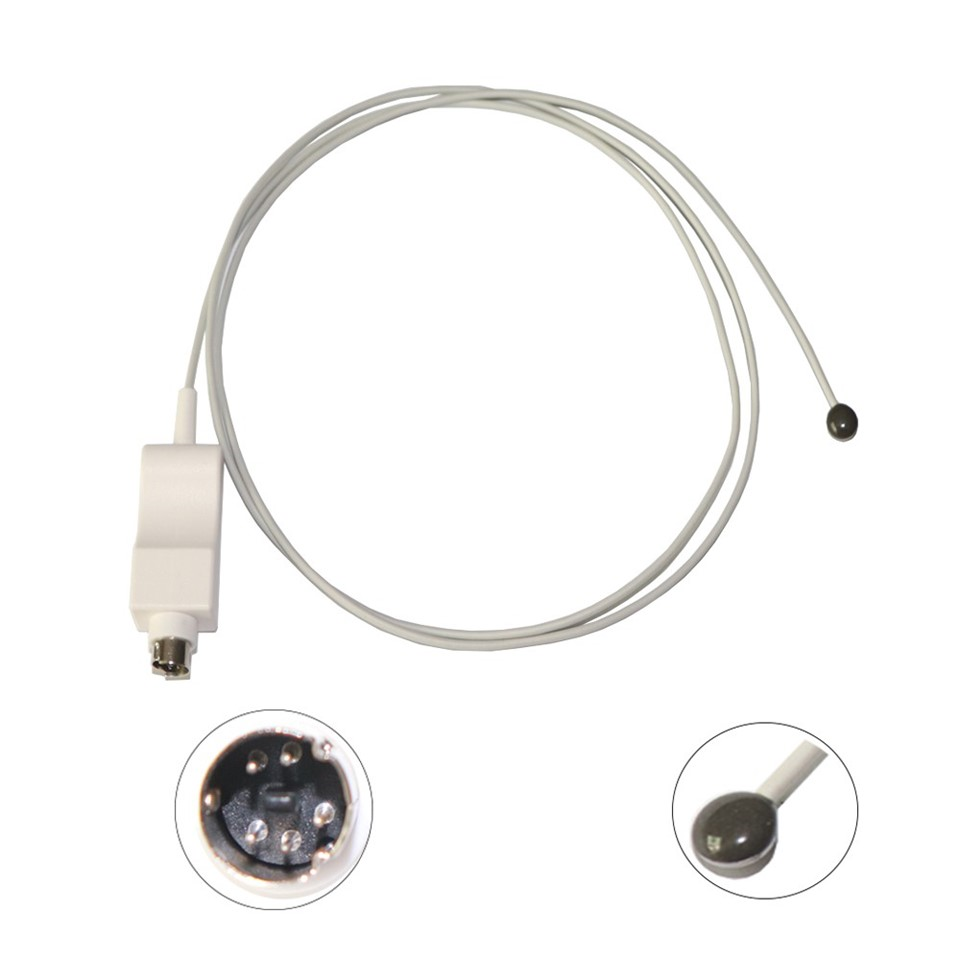
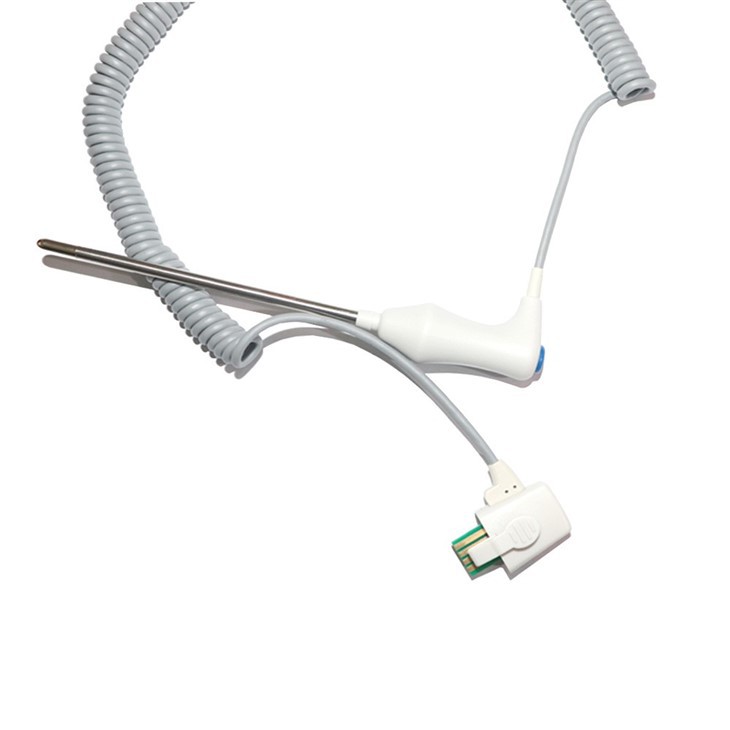
We also have the [Oral Temperature Probe for Welch Allyn](/temperature - probe/welch - allyn - compatible - oral - temperature - probe.html). Although it may seem more suitable for medical applications at first glance, its high - precision temperature sensing capabilities can also be adapted for 3D printing, especially in research and development settings where accurate temperature control is crucial.
Another product is the [Adult Skin Surface / Esophageal/ Rectal Temperature Probe, L = 3m, 12mm /5.0mm Disk](/temperature - probe/adult - skin - surface - esophageal - rectal.html). With its long length and different disk sizes, it can be used in 3D printers to measure temperature at different locations, such as inside the extruder or on the build plate.
Benefits of Using Our Temperature Probes in 3D Printers
- Improved Print Quality: By accurately measuring and controlling the temperature, our temperature probes can help reduce issues such as warping, stringing, and poor layer adhesion. This results in higher - quality 3D prints with better surface finish and dimensional accuracy.
- Enhanced Safety: Monitoring the temperature in real - time can prevent overheating, which can be a fire hazard in 3D printers. Our temperature probes can provide early warnings if the temperature exceeds safe limits, allowing users to take appropriate action.
- Cost - Efficiency: Our temperature probes are competitively priced, and their long - term reliability means that you won't have to replace them frequently. This can save you money in the long run compared to using lower - quality probes.
Considerations When Using Temperature Probes in 3D Printers
- Installation: Proper installation of the temperature probe is crucial. It should be placed in a location where it can accurately measure the temperature of the relevant component, such as the extruder or build plate. Incorrect installation can lead to inaccurate temperature readings and affect the print quality.
- Calibration: Regular calibration of the temperature probe is necessary to ensure its accuracy. Over time, the probe's performance may degrade, and calibration can help maintain its precision.
- Compatibility: Make sure that the temperature probe is compatible with your 3D printer's control system. Different printers may have different requirements for the type of temperature sensor and the signal it produces.
Conclusion
In conclusion, temperature probes can be effectively used in 3D printers to improve print quality, enhance safety, and increase cost - efficiency. As a temperature probe supplier, we are committed to providing high - quality products that meet the needs of 3D printing enthusiasts and professionals.
If you are interested in learning more about our temperature probes or would like to discuss your specific requirements for 3D printing, please feel free to contact us. We are ready to assist you in finding the perfect temperature probe solution for your 3D printer.
References
- Gibson, I., Rosen, D. W., & Stucker, B. (2010). Additive manufacturing technologies: rapid prototyping to direct digital manufacturing. Springer Science & Business Media.
- Hopson, J. (2016). 3D Printing for Dummies. Wiley.