



When it comes to choosing the right size of a pulse oximeter, there are several factors to consider. As a pulse oximeter supplier, I've seen firsthand how the wrong size can lead to inaccurate readings and user discomfort. In this blog post, I'll share some insights on how to select the appropriate size for different users, ensuring reliable results and a comfortable experience.
Understanding Pulse Oximeters
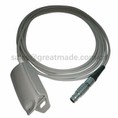
Before delving into size selection, let's briefly understand what a pulse oximeter is and how it works. A pulse oximeter is a non-invasive medical device that measures the oxygen saturation level in your blood (SpO2) and your heart rate. It typically consists of a small clip or sensor that is attached to a finger, toe, or earlobe. The device emits light through the skin and measures the amount of light absorbed by oxygenated and deoxygenated hemoglobin in the blood.
Factors to Consider When Choosing the Right Size
1. User Age and Finger Size
One of the most critical factors in choosing the right size of a pulse oximeter is the age and finger size of the user. Children have smaller fingers compared to adults, so they require a pulse oximeter specifically designed for their size. Using an adult-sized pulse oximeter on a child can lead to inaccurate readings as the device may not fit properly or may not be able to detect the blood flow accurately.
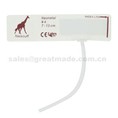
For children, we recommend our Children Fingertip Pulse Oximeter. This oximeter is designed with a smaller clip size to fit comfortably on a child's finger. It also has a soft and flexible material to ensure maximum comfort during use.
2. Measurement Accuracy
The size of the pulse oximeter can significantly impact the accuracy of the measurements. A pulse oximeter that is too large or too small may not make proper contact with the skin, leading to inaccurate readings. For accurate results, the oximeter should fit snugly on the finger without being too tight or too loose.
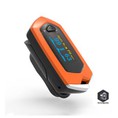
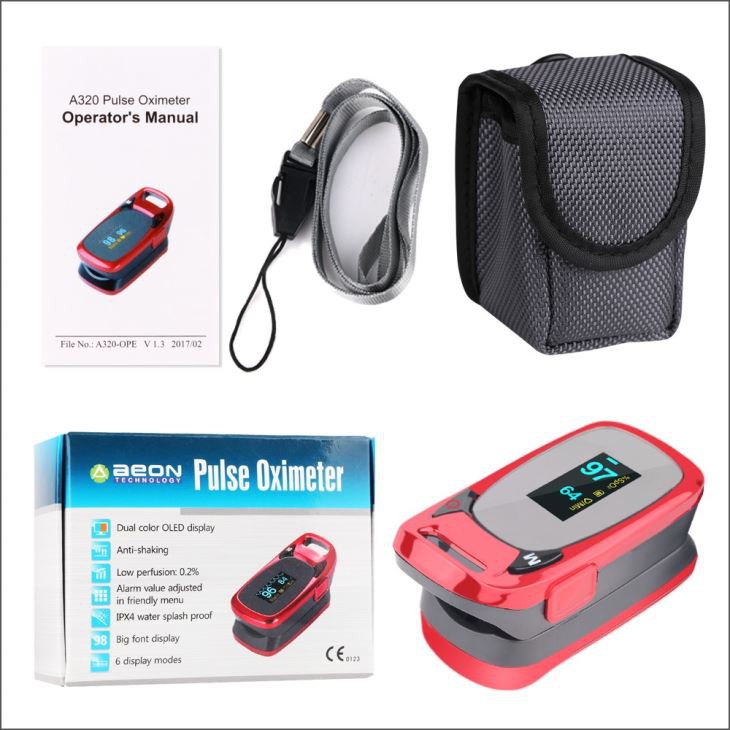
Our Dual Color OLED Display Fingertip Pulse Oximeter is designed to provide accurate readings for a wide range of finger sizes. It has a adjustable clip that can be easily adjusted to fit different finger widths, ensuring a proper fit and reliable measurements.

3. Comfort and Usability
Comfort is another important factor to consider when choosing a pulse oximeter. If the device is uncomfortable to wear, the user may be less likely to use it regularly, which can affect the accuracy of the long-term monitoring.
Our pulse oximeters are designed with user comfort in mind. They are lightweight, portable, and easy to use. The clips are made of soft and flexible materials that do not cause any discomfort or irritation to the skin. Additionally, our oximeters have a simple and intuitive interface, making them easy to operate for users of all ages.
4. Durability and Quality
When investing in a pulse oximeter, it's important to choose a device that is durable and of high quality. A well-built oximeter will last longer and provide more reliable results over time.
We take pride in offering high-quality pulse oximeters that are built to last. Our products are made from premium materials and undergo rigorous testing to ensure their performance and reliability. We also offer a warranty on all our products, giving you peace of mind knowing that your investment is protected.
How to Measure Finger Size
To ensure you choose the right size of a pulse oximeter, it's important to measure the user's finger size accurately. Here's a simple guide on how to measure finger size:
- Use a flexible measuring tape or a piece of string.
- Wrap the measuring tape or string around the base of the finger where the pulse oximeter will be worn.
- Mark the point where the measuring tape or string meets.
- Measure the length of the marked section using a ruler.
- Refer to the size chart provided by the pulse oximeter manufacturer to determine the appropriate size.
Choosing the Right Pulse Oximeter for Different Applications
In addition to considering the user's age and finger size, it's also important to choose the right pulse oximeter for the specific application. Here are some common applications and the recommended pulse oximeters:
1. Home Use
For home use, a simple and easy-to-use pulse oximeter is usually sufficient. Our Blood Oxygen Saturation Monitor Measure Oximeter is a great option for home use. It provides accurate readings of SpO2 and heart rate and has a large, easy-to-read display.
2. Medical Professionals
Medical professionals require a more advanced and accurate pulse oximeter for clinical use. Our high-end pulse oximeters are designed to meet the strict requirements of medical professionals. They offer features such as high accuracy, fast response time, and advanced data logging capabilities.
3. Sports and Fitness
Athletes and fitness enthusiasts can benefit from using a pulse oximeter to monitor their oxygen saturation levels during exercise. Our sports-specific pulse oximeters are lightweight, portable, and designed to withstand the rigors of physical activity.
Conclusion
Choosing the right size of a pulse oximeter is crucial for accurate measurements and user comfort. By considering factors such as user age, finger size, measurement accuracy, comfort, and durability, you can select the appropriate pulse oximeter for your needs.
As a pulse oximeter supplier, we are committed to providing high-quality products and excellent customer service. If you have any questions or need assistance in choosing the right pulse oximeter, please don't hesitate to contact us. We look forward to working with you to meet your pulse oximeter needs.
References
- American Thoracic Society. (2019). Pulse Oximetry. Retrieved from https://www.thoracic.org/patients/patient-resources/resources/pulse-oximetry.pdf
- Mayo Clinic. (2021). Pulse Oximetry. Retrieved from https://www.mayoclinic.org/tests-procedures/pulse-oximetry/about/pac-20384900
- World Health Organization. (2020). Pulse Oximeters: A Guide for Health Workers. Retrieved from https://www.who.int/publications/i/item/9789240017280