


As a seasoned supplier of Bulk ECG Trunk Cables, I've witnessed firsthand the critical role these cables play in the healthcare industry. In this blog, I'll delve into the concept of flexibility in Bulk ECG Trunk Cables, exploring its various aspects and why it's so important.
Understanding the Basics of Bulk ECG Trunk Cables
Before we discuss flexibility, let's briefly understand what Bulk ECG Trunk Cables are. These cables are essential components in electrocardiogram (ECG) monitoring systems. They serve as the main link between the patient and the ECG monitor, transmitting electrical signals from the electrodes attached to the patient's body to the monitoring device. A Bulk ECG Trunk Cable typically consists of multiple individual wires bundled together, each dedicated to a specific function or lead.
What Does Flexibility Mean in the Context of Bulk ECG Trunk Cables?
Flexibility in Bulk ECG Trunk Cables refers to their ability to bend, twist, and move without significant damage or loss of signal quality. This characteristic is crucial for several reasons. Firstly, in a clinical setting, patients need to be able to move around as comfortably as possible. A flexible cable allows for a greater range of motion, reducing patient discomfort and the likelihood of the cable getting tangled or pulled out during movement.
Secondly, flexibility is important for the medical staff. They need to be able to position the cables easily to ensure proper connection and monitoring. A rigid cable can be difficult to manipulate, leading to potential errors in setup and increased time spent on patient preparation.
Physical Flexibility
The physical flexibility of a Bulk ECG Trunk Cable is determined by several factors. One of the most important is the materials used in its construction. High - quality cables are often made with flexible polymers or rubber sheaths that can withstand repeated bending and twisting. These materials are not only durable but also provide a certain degree of elasticity, allowing the cable to return to its original shape after being deformed.
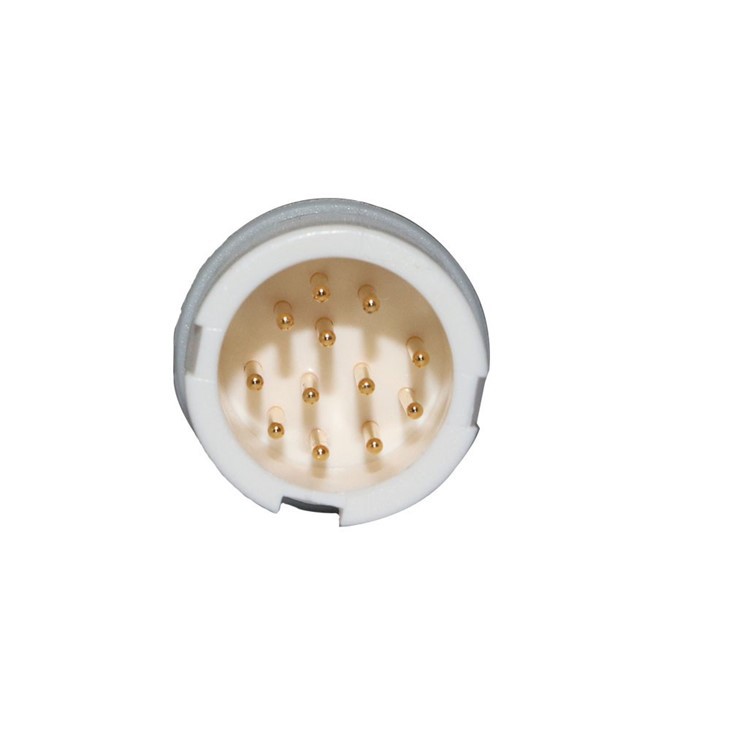
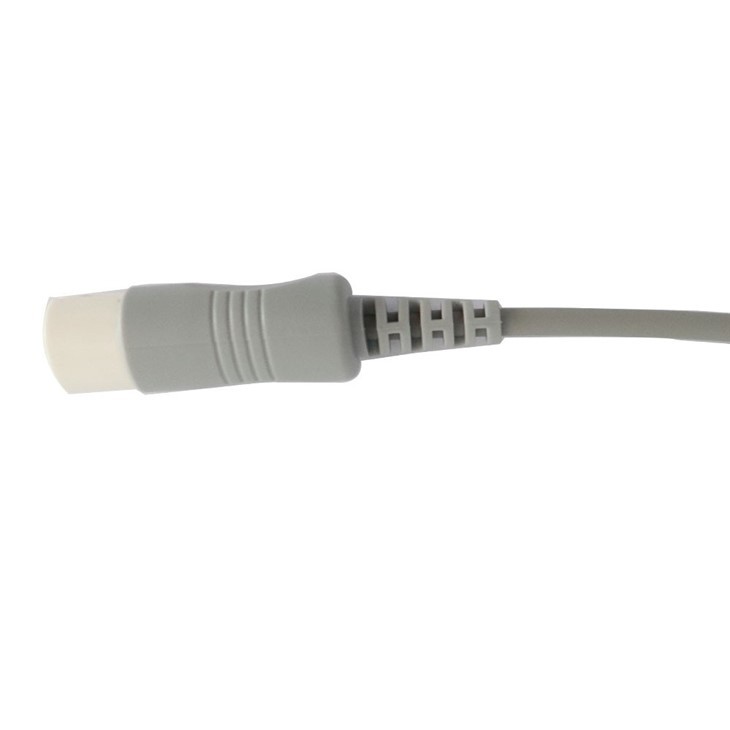
The internal wiring also plays a role in physical flexibility. Stranded wires are generally more flexible than solid wires. Stranded wires consist of multiple thin wires twisted together, which allows them to bend more easily without breaking. This is especially important in a Bulk ECG Trunk Cable, where the cable may need to be bent at various angles during use.
Signal Flexibility
In addition to physical flexibility, Bulk ECG Trunk Cables also need to have signal flexibility. This means that the cable should be able to maintain a stable and accurate signal transmission even when it is bent or twisted. Signal interference can occur when a cable is not properly designed to handle physical stress. For example, if the internal shielding of the cable is not sufficient, bending the cable can cause electromagnetic interference, leading to inaccurate readings on the ECG monitor.
To ensure signal flexibility, manufacturers use advanced shielding techniques. This may include multiple layers of shielding materials, such as aluminum foil or braided copper, to protect the internal wires from external electromagnetic fields. Additionally, the design of the cable's connectors is also crucial. High - quality connectors are designed to maintain a secure connection even when the cable is in motion, preventing signal loss or distortion.
Flexibility in Different Applications
The required flexibility of a Bulk ECG Trunk Cable can vary depending on its application. For example, in a hospital bed setting, where patients may be relatively immobile, the cable may not need to be as flexible as in a mobile monitoring scenario. In a mobile monitoring situation, such as during patient transport or in an ambulatory care setting, the cable needs to be highly flexible to accommodate the patient's movement.
We offer a range of Bulk ECG Trunk Cables to meet different application needs. For instance, our Use with Lohmeier 98.060.120/A Multi - Parameter Trunk Cable (IBP2, Temperature2, 5 - lead ECG, Spo2) is designed for multi - parameter monitoring in a variety of clinical settings. It offers a good balance of physical and signal flexibility, ensuring reliable performance even in challenging conditions.
Our SC9000 XL Multi - Link Trunk Cable (Spo2, Temperature, ECG) is another example. This cable is specifically designed for use with the SC9000 XL monitoring system and provides excellent flexibility for mobile monitoring applications. Its flexible design allows patients to move freely while still maintaining accurate monitoring.
And for Philips monitors, our NEW CBL OR 5 Lead ECG Trunk Cable For Philips offers the necessary flexibility and compatibility. It is engineered to fit seamlessly with Philips ECG monitors and provides reliable signal transmission, even when the cable is bent or twisted.
Importance of Flexibility in Reducing Costs
Flexibility can also have a significant impact on cost - effectiveness. A flexible Bulk ECG Trunk Cable is less likely to be damaged due to normal wear and tear. This means that it has a longer lifespan, reducing the need for frequent replacements. Additionally, a cable that is easy to manipulate and install can save time for medical staff, which can translate into cost savings in terms of labor.
Ensuring Flexibility in Our Products
As a supplier, we take several steps to ensure the flexibility of our Bulk ECG Trunk Cables. We carefully select the materials used in the cables, choosing only high - quality polymers and rubber sheaths that offer excellent flexibility and durability. Our manufacturing process also includes strict quality control measures to ensure that each cable meets our high standards of flexibility and performance.
We also conduct extensive testing on our cables. This includes bending and twisting tests to simulate real - world usage scenarios. By subjecting the cables to these tests, we can identify any potential issues with flexibility and make necessary adjustments to the design or manufacturing process.
Conclusion
The flexibility of a Bulk ECG Trunk Cable is a multi - faceted concept that encompasses both physical and signal aspects. It is a crucial characteristic that affects patient comfort, ease of use for medical staff, and the overall reliability and cost - effectiveness of the ECG monitoring system.
If you are in the market for high - quality Bulk ECG Trunk Cables with excellent flexibility, we invite you to contact us for procurement and further discussions. Our team of experts is ready to assist you in finding the right cable for your specific needs.
References
- Medical Device Technology Handbook, edited by Joseph D. Bronzino.
- Electrocardiography: Principles and Practice, by Arthur G. Moss and Emmanouil G. Krikorian.