


In the evolving landscape of modern dentistry, the quest for more efficient, precise, and patient - friendly surgical tools is unending. One such tool that has piqued the interest of dental professionals is the electrosurgical pencil. As a leading supplier of electrosurgical pencils, I am often asked whether these devices can be used in dental surgeries. In this blog, we will explore the feasibility, benefits, limitations, and applications of electrosurgical pencils in the dental field.
Understanding Electrosurgical Pencils
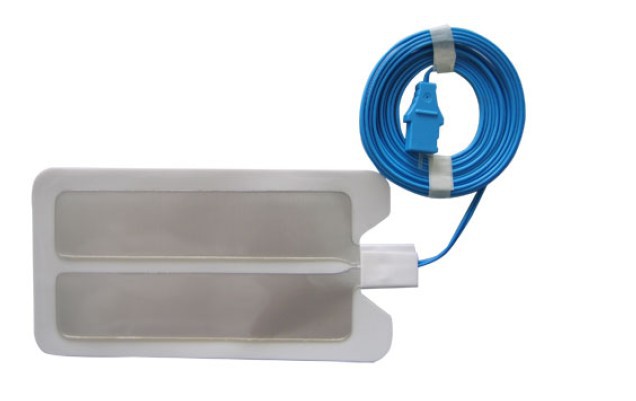
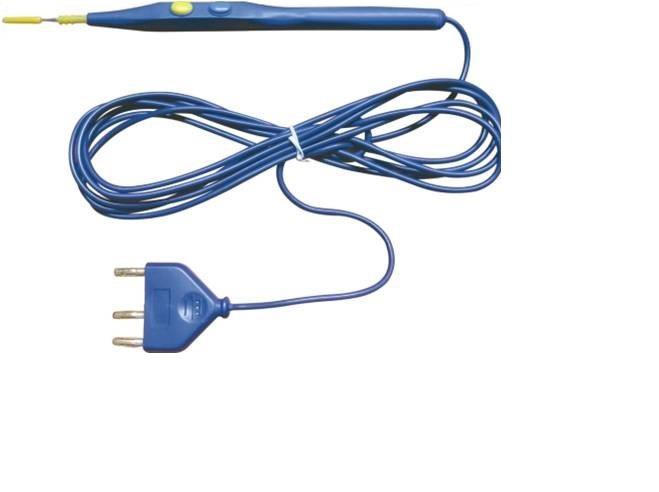
Electrosurgical pencils are medical devices that use high - frequency electrical currents to cut, coagulate, or desiccate tissue. They consist of a hand - held pencil - like instrument with a disposable tip that comes in various shapes and sizes, such as the Electrosurgical Pencil with 4cm Blade Head. The pencil is connected to an electrosurgical unit, which generates and controls the electrical current. There are also accessories like the Adapter Cable. Connect Bipolar Disposable Plate and Electrosurgical Unit and Bipolar Disposable Plate with Cable that enhance the functionality of the electrosurgical pencil.
Feasibility of Using Electrosurgical Pencils in Dental Surgeries
From a technical perspective, electrosurgical pencils can be used in dental surgeries. The oral cavity provides a relatively accessible and confined space for the application of electrosurgery. The high - frequency electrical currents can be precisely controlled to perform a variety of dental procedures. However, it is crucial to ensure that the electrosurgical unit is properly calibrated and that the dentist is well - trained in the use of this technology.
Benefits of Using Electrosurgical Pencils in Dental Surgeries
Precision
One of the most significant advantages of using an electrosurgical pencil in dental surgeries is precision. The fine tips of the electrosurgical pencil allow dentists to make accurate incisions, especially in delicate areas such as the gingiva or around dental implants. This precision can lead to better surgical outcomes and reduced damage to surrounding healthy tissue.
Hemostasis
Electrosurgical pencils are excellent at achieving hemostasis, or the control of bleeding. During dental surgeries, such as extractions or periodontal procedures, bleeding can be a significant concern. The coagulation function of the electrosurgical pencil can quickly seal blood vessels, reducing blood loss and providing a clear surgical field. This not only improves the visibility for the dentist but also speeds up the healing process for the patient.
Reduced Post - operative Pain and Swelling
Since electrosurgical pencils cause less trauma to the surrounding tissue compared to traditional surgical instruments, patients often experience less post - operative pain and swelling. The heat generated by the electrical current seals nerve endings, which can help in reducing pain signals. Additionally, the reduced tissue damage means less inflammation, leading to a quicker recovery.
Time - Efficiency
Electrosurgical procedures are generally faster than traditional dental surgeries. The ability to cut and coagulate simultaneously reduces the overall surgical time. This is beneficial for both the dentist, who can see more patients, and the patient, who spends less time in the dental chair.
Applications of Electrosurgical Pencils in Dental Surgeries
Periodontal Surgery
In periodontal surgery, electrosurgical pencils can be used to remove diseased gingival tissue, reshape the gum line, and treat periodontal pockets. The precision of the electrosurgical pencil allows for accurate removal of inflamed tissue without damaging the underlying bone or healthy gum tissue.
Dental Implant Surgery
During dental implant surgery, electrosurgical pencils can be used to prepare the implant site. They can help in creating a clean and blood - free environment, which is essential for the successful placement of dental implants. The hemostatic properties of the electrosurgical pencil also reduce the risk of post - operative bleeding around the implant site.
Oral Lesion Removal
Electrosurgical pencils are effective in removing oral lesions, such as fibromas, papillomas, and other benign tumors. The ability to precisely cut and coagulate the lesion helps in complete removal with minimal scarring.
Limitations and Considerations
Risk of Thermal Damage
One of the main limitations of using electrosurgical pencils in dental surgeries is the risk of thermal damage to surrounding tissues. If the electrical current is not properly controlled, it can cause excessive heat, leading to damage to adjacent teeth, bone, or soft tissue. Dentists need to be trained to use the electrosurgical pencil at the appropriate settings to minimize this risk.
Interference with Dental Restorations
Electrosurgical pencils can cause interference with certain dental restorations, such as metal crowns or fillings. The electrical current can be conducted through the metal, potentially causing damage to the restoration or discomfort to the patient. Dentists need to be aware of the presence of dental restorations and take appropriate precautions.
Cost
Electrosurgical equipment can be relatively expensive, both in terms of the initial purchase of the electrosurgical unit and the disposable tips. This cost may be a deterrent for some dental practices, especially smaller ones. However, the long - term benefits in terms of improved efficiency and patient outcomes may outweigh the initial investment.
Training and Safety
Proper training is essential for dentists who wish to use electrosurgical pencils in their practice. Dental professionals should undergo comprehensive training programs that cover the principles of electrosurgery, the operation of the electrosurgical unit, and the safe use of the electrosurgical pencil. Safety protocols should also be strictly followed, including the use of appropriate personal protective equipment and the proper grounding of the electrosurgical unit.
Conclusion
In conclusion, electrosurgical pencils can be a valuable addition to the dental surgical toolkit. They offer numerous benefits, such as precision, hemostasis, reduced post - operative pain, and time - efficiency. However, dentists need to be aware of the limitations and take appropriate precautions to ensure safe and effective use.
As a supplier of high - quality electrosurgical pencils and related accessories, we are committed to providing dental professionals with the best products and support. If you are interested in incorporating electrosurgical pencils into your dental practice, we invite you to contact us for more information and to discuss your specific needs. Our team of experts is ready to assist you in making an informed decision and ensuring a smooth transition to using electrosurgical technology in your dental surgeries.
References
- "Textbook of Oral and Maxillofacial Surgery" by Peter Ward Booth
- "Periodontology: Diagnosis and Treatment" by James B. McGuire
- Journal of Oral and Maxillofacial Surgery, various issues related to electrosurgery in dentistry.