


How to Attach Multi-use ECG Limb Electrodes?
A Step-by-Step Guide for Accurate Monitoring
Attaching multi-use ECG limb electrodes correctly is critical for stable signal transmission and reliable heart rhythm readings. Whether for clinical settings (hospitals, clinics) or professional monitoring, follow this straightforward process to ensure proper placement and performance:
1. Prepare the Patient & Equipment
Patient Preparation: Clean the skin on the patient's limbs (wrists and ankles are standard sites) with alcohol wipes or mild soap and water. Remove excess hair, oil, or sweat-dry skin thoroughly to enhance electrode adhesion and signal conductivity. Avoid areas with cuts, rashes, or scar tissue.
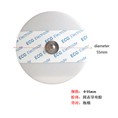
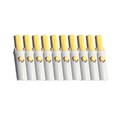
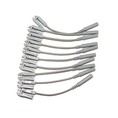
Electrode Check: Inspect the multi-use electrodes: Ensure the Ag/AgCl sensing pad is intact (no cracks or wear), the clamp mechanism is secure, and the lead wires/connectors are free of damage. For reusable models, confirm the electrode has been properly disinfected (per manufacturer guidelines) before use.
2. Identify Electrode Placement Sites
ECG limb electrodes follow standardized color-coding (AHA/IHAA guidelines) for consistency. Place the electrodes on the distal limbs (avoiding joints to prevent movement interference):
Red Electrode: Right Arm (RA) – Attach to the inner wrist of the patient's right arm, above the wrist bone.
Yellow Electrode: Left Arm (LA) – Attach to the inner wrist of the patient's left arm, above the wrist bone.
Green/Black Electrode: Right Leg (RL) – Attach to the inner ankle of the patient's right leg, above the ankle bone.
Blue/Purple Electrode: Left Leg (LL) – Attach to the inner ankle of the patient's left leg, above the ankle bone.
3. Secure the Electrodes
For clamp-style electrodes: Gently open the clamp, position the sensing pad against the prepared skin, and close the clamp firmly but comfortably-ensure it's tight enough to stay in place during movement but not so tight that it restricts circulation.
For adhesive multi-use electrodes: Peel off the protective film, align the sensing pad with the placement site, and press firmly to adhere. Smooth out any air bubbles for full contact.
4. Connect to the ECG Machine
Match the electrode lead wires to the corresponding ports on the ECG machine (e.g., RA to "RA" port, LA to "LA" port). Ensure connectors are fully inserted-loose connections cause signal noise.
If using a wireless ECG device, pair the electrodes with the monitor per the manufacturer's instructions.
5. Verify Signal Quality
Turn on the ECG machine and check the waveform on the display. A clear, stable trace indicates proper attachment.
If the signal is noisy or inconsistent: Adjust the electrode position (avoid muscle tissue), re-clean the skin, or replace the electrode if the sensing pad is worn.
Key Tips for Success
Avoid placing electrodes over bones, muscles, or tendons-these areas reduce signal clarity.
For long-term monitoring, reposition electrodes every 24–48 hours to prevent skin irritation (common with multi-use models).
By following these steps, you'll ensure accurate ECG readings while maximizing the lifespan of your multi-use limb electrodes. Always refer to your specific ECG machine and electrode user manuals for model-specific instructions.