


As a leading supplier of China Fixed Socket PKG, I am often asked about the materials used in these products. The choice of materials significantly impacts the performance, durability, and cost of fixed socket packages. In this blog post, I'll delve into the common materials employed in China Fixed Socket PKG, their properties, and how they contribute to the overall quality of the products.
Plastic Materials
Plastic is one of the most widely used materials in China Fixed Socket PKG due to its versatility, affordability, and ease of manufacturing.
Polycarbonate (PC)
Polycarbonate is a popular choice for fixed socket packages. It offers excellent impact resistance, high heat resistance, and good electrical insulation properties. These characteristics make it suitable for applications where the socket may be exposed to mechanical stress or high - temperature environments. For example, in industrial settings where the fixed socket might be subject to vibrations or occasional knocks, PC - based sockets can maintain their integrity. Polycarbonate also has good transparency, which can be useful for applications where visual inspection of the socket's interior is required.
Acrylonitrile Butadiene Styrene (ABS)
ABS is another commonly used plastic material. It combines the strength and rigidity of acrylonitrile, the toughness of butadiene, and the processability of styrene. ABS has good chemical resistance and can withstand a wide range of temperatures. It is often used in consumer electronics and medical devices. In the medical field, ABS can be found in Medical Plastic ConnectorTwo Keyings PKG 2, 3pin 5 - 8 Pin 1P Fixed Socket 60 Degree. The material's biocompatibility and ease of sterilization make it suitable for medical applications.
Polyoxymethylene (POM)
POM, also known as acetal, is a high - performance engineering plastic. It has excellent dimensional stability, low friction coefficient, and high fatigue resistance. These properties make it ideal for applications that require precise fitting and long - term use. In fixed socket packages, POM can ensure a tight and reliable connection between the socket and the plug. It is often used in automotive and aerospace applications where reliability is crucial.
Metal Materials
Metals are used in fixed socket packages mainly for their electrical conductivity and mechanical strength.
Copper
Copper is a preferred metal for electrical contacts in fixed socket packages. It has excellent electrical conductivity, which minimizes power loss and heat generation during electrical transmission. Copper also has good corrosion resistance, especially when properly coated. In addition, copper is relatively soft, which allows for easy forming and machining. For example, in high - current applications, copper contacts can ensure efficient power transfer.
Brass
Brass is an alloy of copper and zinc. It combines the electrical conductivity of copper with the strength and corrosion resistance of zinc. Brass is more cost - effective than pure copper in some cases and is easier to machine. It is commonly used in the manufacturing of socket shells and connectors. The malleability of brass allows for the creation of complex shapes, which is beneficial for custom - designed fixed socket packages.
Stainless Steel
Stainless steel is used for its high strength, corrosion resistance, and durability. In fixed socket packages, stainless steel can be used for outer casings or structural components. It can withstand harsh environmental conditions, such as high humidity and chemical exposure. For example, in marine or outdoor applications, stainless - steel - based socket packages can provide long - term protection for the internal electrical components.
Composite Materials
Composite materials are becoming increasingly popular in the manufacturing of China Fixed Socket PKG.
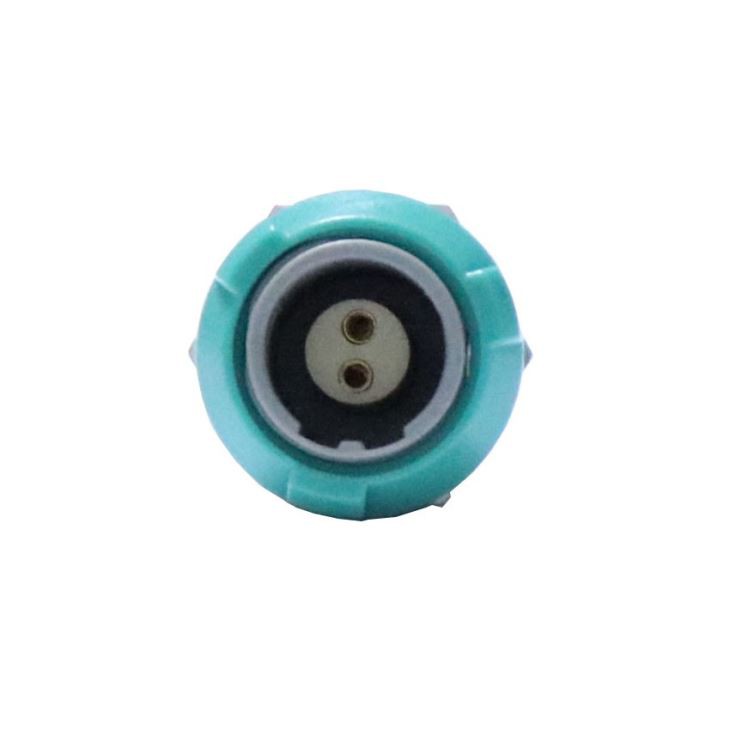

Fiber - Reinforced Plastics (FRP)
FRP combines a plastic matrix with fiber reinforcement, such as glass fiber or carbon fiber. The addition of fibers significantly enhances the mechanical properties of the plastic, including strength, stiffness, and impact resistance. FRP can be tailored to meet specific requirements by adjusting the type and amount of fiber used. In fixed socket packages, FRP can be used to create lightweight yet strong casings, which is beneficial for applications where weight reduction is important, such as in aerospace and automotive industries.
Impact of Material Selection on Product Performance
The choice of materials directly affects the performance of China Fixed Socket PKG. For example, in high - frequency applications, the dielectric constant and loss tangent of the plastic material used in the socket can significantly impact signal transmission. A material with a low dielectric constant and loss tangent can reduce signal attenuation and interference, ensuring high - quality signal transmission.
In terms of mechanical performance, the strength and durability of the materials determine the socket's ability to withstand repeated insertions and removals of the plug. A socket made of high - strength materials can maintain its shape and connection reliability over a long period of use.
Cost Considerations
Cost is an important factor in material selection. Plastic materials are generally more affordable than metals, especially for large - scale production. However, the performance requirements of the application must also be taken into account. For example, in some high - end applications where reliability and performance are critical, the use of more expensive materials such as copper or stainless steel may be justified.
Application - Specific Material Choices
Different applications require different material properties. In medical applications, materials need to be biocompatible and easy to sterilize. For example, 1P Medical Connector PKG PKA PKB PKC 2 - 10pin 14 Pin Fixed Socket With Elbow 90 Degree Contact PCB Two Keying uses materials that meet these requirements. In automotive applications, materials need to withstand high temperatures, vibrations, and chemical exposure.
Quality Control in Material Usage
As a supplier of China Fixed Socket PKG, we implement strict quality control measures in material usage. We source materials from reliable suppliers and conduct thorough inspections before production. During the manufacturing process, we monitor the material properties to ensure that the final products meet the required standards. For example, we test the electrical conductivity of metal contacts and the mechanical strength of plastic casings.
Conclusion
In conclusion, a variety of materials are used in China Fixed Socket PKG, each with its own unique properties and advantages. The selection of materials depends on factors such as application requirements, performance expectations, and cost considerations. As a supplier, we are committed to using high - quality materials and advanced manufacturing processes to produce fixed socket packages that meet the diverse needs of our customers.
If you are interested in our China Fixed Socket PKG products and want to learn more about our material choices or place an order, we welcome you to contact us for further procurement negotiations. We are ready to provide you with detailed product information and customized solutions.
References
- "Engineering Plastics Handbook"
- "Metals in Electrical Engineering"
- Industry reports on fixed socket package manufacturing