


Hey there! As a supplier of infrared thermometers, I've been getting a ton of questions lately about how the surface material can affect the measurement of these nifty devices. So, I thought I'd sit down and share my insights on this topic.
First off, let's quickly go over how infrared thermometers work. These thermometers detect the infrared energy emitted by an object and convert it into a temperature reading. The amount of infrared energy an object emits depends on its temperature and its emissivity. Emissivity is a measure of how well an object emits infrared radiation compared to a perfect emitter, known as a blackbody. A blackbody has an emissivity of 1, while real - world objects have emissivities between 0 and 1.
Now, let's talk about different surface materials and their impact on infrared thermometer measurements.
Metallic Surfaces
Metals are known for being highly reflective. They have low emissivity values, typically ranging from 0.02 to 0.2. When you try to measure the temperature of a metallic surface with an infrared thermometer, the reflection can be a real pain. The thermometer might pick up the infrared radiation reflected from the surrounding environment rather than the actual radiation emitted by the metal itself.
For example, if you're using an infrared thermometer to measure the temperature of a shiny metal pipe in a room with warm walls, the thermometer could give you a reading that's higher than the actual temperature of the pipe. This is because it's detecting some of the infrared radiation reflected off the pipe from the warm walls. To get an accurate reading on a metallic surface, you can use a piece of black tape or high - emissivity paint. These materials have high emissivity, and by covering a small area of the metal with them, you can get a more accurate temperature measurement.
Non - metallic Surfaces
Non - metallic materials, such as wood, plastic, and ceramics, generally have higher emissivity values compared to metals. For instance, wood has an emissivity of around 0.9, and plastic can have emissivity values ranging from 0.85 to 0.95. When measuring the temperature of non - metallic surfaces, infrared thermometers usually give more accurate readings because these materials emit more of their own infrared radiation and reflect less from the surroundings.
However, even non - metallic surfaces can have issues. If the surface is dirty or has a coating, it can affect the emissivity. A dirty plastic surface might have a different emissivity than a clean one, leading to inaccurate temperature measurements. So, it's always a good idea to clean the surface before taking a measurement if possible.
Biological Surfaces
When it comes to measuring the temperature of the human body, infrared thermometers are a popular choice. Our skin has an emissivity of around 0.98, which is very close to that of a blackbody. This makes it relatively easy for infrared thermometers to measure body temperature accurately.
But there are still factors to consider. For example, if a person has been sweating or has a wet forehead, the moisture can affect the emissivity and the infrared radiation emitted. Also, environmental factors like wind or cold air blowing on the skin can cause a temporary drop in the surface temperature, leading to an inaccurate reading.
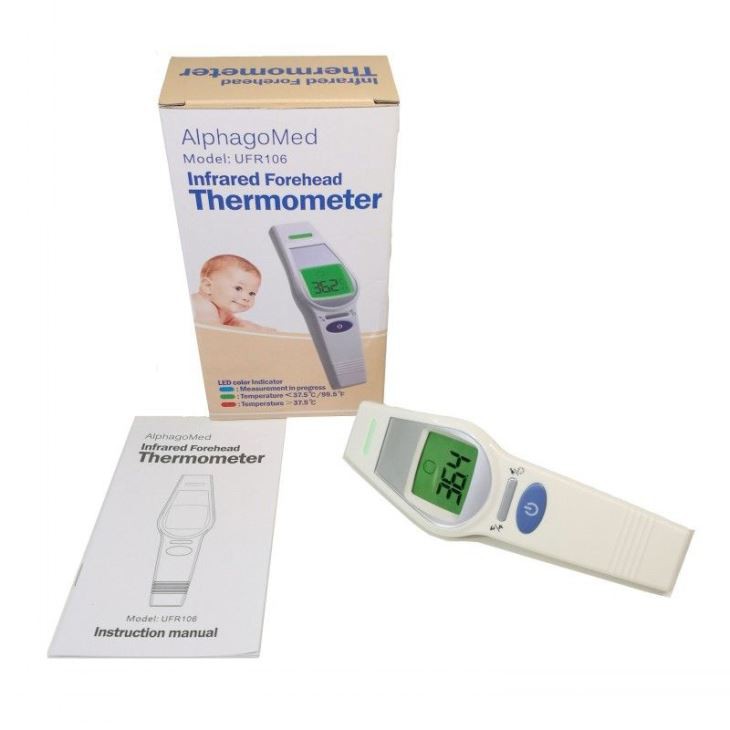
That's where our Forehead Non - Contact Digital Thermometer comes in handy. It's designed to take into account these factors and provide reliable body temperature measurements. It uses advanced technology to minimize the impact of external factors and gives you a quick and accurate reading.
Impact on Different Types of Infrared Thermometers
Not all infrared thermometers are created equal. Some are more sensitive to surface material differences than others. General - purpose infrared thermometers might struggle more with low - emissivity surfaces. On the other hand, high - end infrared thermometers often come with adjustable emissivity settings. This allows you to set the emissivity value according to the surface material you're measuring, giving you more accurate results.
Our Thermometer Adult Kid Baby is a great example of a versatile thermometer. It's suitable for measuring the temperature of different surfaces, whether it's a person's forehead or a non - metallic object in a household setting. And our Infrared Body Thermometer is specifically optimized for body temperature measurements, taking into account the unique characteristics of human skin.
How to Minimize Errors
To get the most accurate measurements with an infrared thermometer, here are some tips:
- Understand the surface emissivity: Before taking a measurement, try to find out the approximate emissivity of the surface. If it's a low - emissivity surface, take steps to compensate, like using black tape.
- Check the surroundings: Make sure there are no strong heat sources or reflective objects nearby that could interfere with the measurement.
- Clean the surface: A clean surface is more likely to give an accurate reading, especially for non - metallic materials.
- Use the right thermometer: Choose an infrared thermometer that suits your needs. If you're measuring different types of surfaces, look for one with adjustable emissivity settings.
In conclusion, the surface material has a significant influence on the measurement of an infrared thermometer. By being aware of these effects and taking the necessary precautions, you can ensure that you get accurate temperature readings.
If you're in the market for high - quality infrared thermometers, we're here to help. Whether you need them for home use, in a medical setting, or for industrial applications, we've got a wide range of products to meet your needs. Feel free to reach out to us to discuss your requirements and start a purchase negotiation. We're always happy to work with you to find the best solutions.

References
- "Infrared Thermometry: Principles and Industrial Applications" by Peter M. Hale
- "Handbook of Infrared Optical Materials" edited by William L. Wolfe and George J. Zissis