




Hey there! As a supplier of the ECG 1B 305 Connector, I often get asked whether this connector is suitable for pediatric ECG monitoring. It's a super important question, especially considering the unique needs of our little patients. In this blog, I'm gonna break down all the aspects to help you figure out if the ECG 1B 305 Connector is the right fit for pediatric ECG monitoring.
First off, let's talk about what makes pediatric ECG monitoring different from adult monitoring. Kids are not just small adults, and their bodies have different physiological characteristics. For starters, their skin is more delicate. Pediatric patients' skin is thinner and more sensitive than that of adults. So, any connector used for ECG monitoring needs to be gentle on their skin to avoid irritation or damage.
The ECG 1B 305 Connector is designed with high - quality materials that are relatively soft and hypoallergenic. This means it's less likely to cause skin reactions, which is a huge plus when it comes to pediatric use. When you're dealing with kids, you don't want them to be uncomfortable or in pain because of the monitoring equipment. The connector's smooth edges also help prevent any scratching or abrasion on the sensitive pediatric skin.
Another crucial factor in pediatric ECG monitoring is the size of the connector. Kids have smaller body parts, and the electrodes need to be placed accurately on specific areas of their chest, arms, and legs. A connector that is too large can be cumbersome and may not allow for proper electrode placement. The ECG 1B 305 Connector has a compact design. It's small enough to be easily attached to pediatric electrodes without getting in the way or causing any interference. This compactness also makes it easier for medical staff to handle, especially when dealing with fidgety kids.
Now, let's discuss the electrical performance. Accurate ECG readings are essential for diagnosing any heart conditions in pediatric patients. The ECG 1B 305 Connector is engineered to provide stable electrical conductivity. It has a low impedance, which ensures that the electrical signals from the electrodes are transmitted accurately to the monitoring device. This is vital because any interference or loss of signal can lead to inaccurate readings, which could have serious consequences for the diagnosis and treatment of the child.
In addition to its physical and electrical properties, the ECG 1B 305 Connector is also very reliable. Pediatric patients may be more active or restless compared to adults, and the connector needs to be able to withstand some movement without losing its connection. The connector has a secure locking mechanism that keeps it firmly attached to the electrodes and the monitoring device. This reduces the risk of disconnection during the monitoring process, which is crucial for continuous and accurate data collection.
But don't just take my word for it. There are other connectors in the market that you might want to consider as well. For example, the FGB EGB 1B Series Connector Two Keying ( 60 ) Plug Socket is another option. It has its own set of features and advantages. It's a push - pull circular metal connector with two keying options, which can provide a secure connection. However, when it comes to pediatric use, the ECG 1B 305 Connector's gentle design and compact size may give it an edge.
The FGG PHG 2B 312 Push - pull Metal Straight Plug/free Socket Connector is also a popular choice. It offers a push - pull mechanism for easy connection and disconnection. But again, the ECG 1B 305 Connector's focus on pediatric - friendly features makes it a more suitable option for pediatric ECG monitoring.
The FGG PHG 2B Series 304 Push - Pull Self - locking Metal Straight Plug/ Free Socket Connector is known for its self - locking feature, which ensures a stable connection. While this is a great feature, the ECG 1B 305 Connector combines this stability with the additional benefits of being gentle on pediatric skin and having a proper size for kids.
When it comes to cost - effectiveness, the ECG 1B 305 Connector is a great option. It offers high - quality performance at a reasonable price. For hospitals and medical facilities, this means they can provide accurate pediatric ECG monitoring without breaking the bank. You don't have to sacrifice quality for cost, and that's a win - win situation.
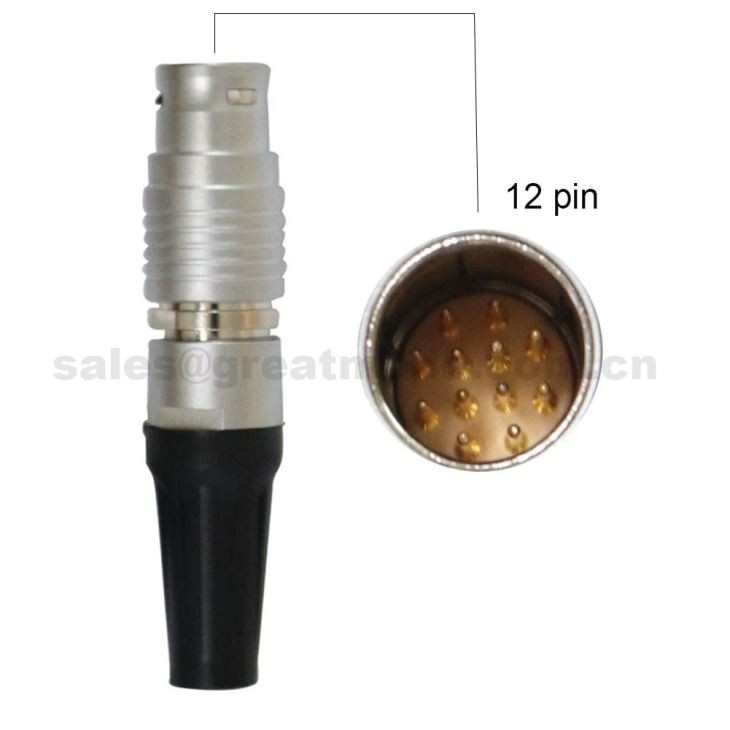
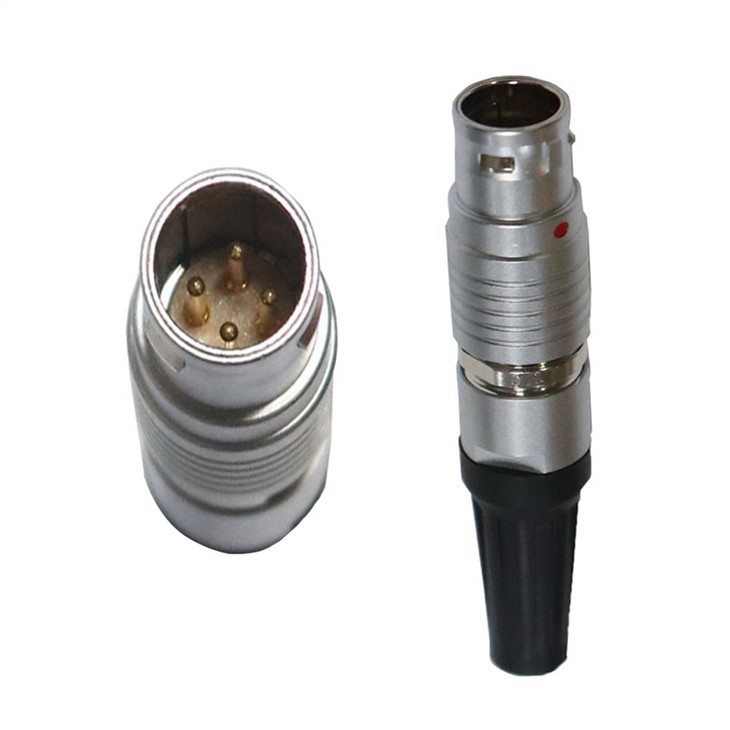
In conclusion, the ECG 1B 305 Connector is highly suitable for pediatric ECG monitoring. Its gentle design, compact size, stable electrical performance, and reliability make it an ideal choice for monitoring the heart health of our little ones. If you're in the market for a connector for pediatric ECG monitoring, I highly recommend giving the ECG 1B 305 Connector a try.
If you're interested in learning more about the ECG 1B 305 Connector or are looking to purchase it for your medical facility, feel free to reach out. We're always happy to have a chat about your specific needs and how our connector can meet them. Let's start a conversation and see how we can help you with your pediatric ECG monitoring requirements.
References
- Pediatric Cardiology Handbook, 4th Edition.
- Journal of Pediatric Electrophysiology and Cardiac Monitoring.