


Troubleshooting NIBP cuff connectors is a crucial skill for anyone involved in the healthcare industry, especially those using or supplying these essential components. As a supplier of NIBP cuff connectors, I've encountered a wide range of issues and have developed effective strategies to address them. In this blog, I'll share some common problems with NIBP cuff connectors and provide practical solutions to troubleshoot them.
Common Issues with NIBP Cuff Connectors
Leakage
One of the most prevalent problems is air leakage. Leakage can occur at various points, including the connection between the cuff and the connector, or within the connector itself. A leak can lead to inaccurate blood pressure readings, as the cuff may not be able to maintain the necessary pressure. Signs of leakage include a slow deflation of the cuff or inconsistent pressure readings.
Blockage
Blockages in the NIBP cuff connector can prevent proper airflow. This can be caused by debris, such as dust or small particles, entering the connector. Blockages can result in slow inflation or deflation of the cuff, or even prevent the cuff from inflating at all.
Poor Connection
A loose or improper connection between the cuff and the connector can also cause problems. If the connection is not secure, air may escape, leading to inaccurate readings. Additionally, a poor connection can cause the cuff to detach during use, which can be dangerous for the patient.
Damaged Connector
Physical damage to the connector, such as cracks or breaks, can also lead to issues. A damaged connector may not be able to maintain a proper seal, resulting in leakage or poor airflow.
Troubleshooting Steps
Step 1: Visual Inspection
The first step in troubleshooting NIBP cuff connectors is to perform a visual inspection. Check for any signs of damage, such as cracks, breaks, or loose parts. Look for debris or blockages in the connector. If you notice any damage or blockages, the connector may need to be replaced.
Step 2: Check the Connection
Ensure that the cuff is properly connected to the connector. Make sure that the connection is secure and that there are no gaps or air leaks. If the connection is loose, try tightening it. If the connection still does not seem secure, the connector or the cuff may be damaged and need to be replaced.

Step 3: Test for Leakage
To test for leakage, inflate the cuff to a moderate pressure and then observe it for a few minutes. If the pressure drops significantly, there is likely a leak. You can also use a soapy water solution to check for leaks. Apply the soapy water to the connection points and look for bubbles. If bubbles appear, there is a leak at that point.
Step 4: Clear Blockages
If you suspect a blockage, try using a small, clean object, such as a pipe cleaner or a small brush, to gently remove any debris from the connector. Be careful not to damage the connector while doing this. If the blockage persists, the connector may need to be replaced.
Step 5: Replace the Connector
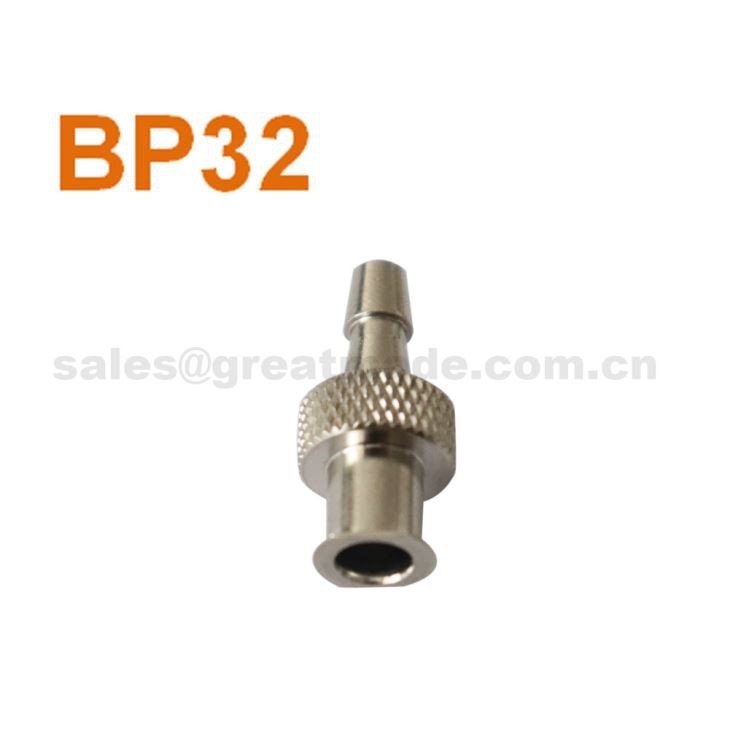
If all else fails, and the problem persists, it may be necessary to replace the NIBP cuff connector. When replacing the connector, make sure to choose a high-quality replacement that is compatible with your cuff and blood pressure monitor. You can find a variety of NIBP cuff connectors on our website, including the Colin Female Luer NIBP Cuff Connector, Air Hose Blood Pressure Cuff Connector, and Blood Pressure Monitor Cuff Connector.
Preventive Maintenance
In addition to troubleshooting, preventive maintenance is essential to ensure the proper functioning of NIBP cuff connectors. Here are some tips for preventive maintenance:
- Keep the Connectors Clean: Regularly clean the NIBP cuff connectors to prevent the accumulation of debris. Use a mild cleaning solution and a soft cloth to wipe the connectors.
- Store the Connectors Properly: When not in use, store the NIBP cuff connectors in a clean, dry place. Avoid exposing them to extreme temperatures or humidity.
- Inspect the Connectors Regularly: Perform regular visual inspections of the NIBP cuff connectors to check for any signs of damage or wear. Replace any connectors that show signs of damage.
Conclusion
Troubleshooting NIBP cuff connectors is an important part of maintaining the accuracy and reliability of blood pressure measurements. By following the steps outlined in this blog, you can identify and address common issues with NIBP cuff connectors. Remember to perform regular preventive maintenance to ensure the long-term performance of your connectors.
If you have any questions or need further assistance with NIBP cuff connectors, or if you are interested in purchasing high-quality NIBP cuff connectors for your healthcare facility, please feel free to contact us. We are here to help you find the right solutions for your needs.
References
- "Non - Invasive Blood Pressure Measurement: Principles and Practice." Medical Instrumentation: Application and Design. John G. Webster, editor. Wiley - Interscience, 2010.
- Manufacturer's manuals for NIBP monitors and cuff connectors.