




As a supplier of Fixed Socket PKGs, I understand the critical importance of ensuring the performance and longevity of these components, especially in high-temperature environments. High temperatures can pose significant challenges to the functionality and reliability of Fixed Socket PKGs, leading to issues such as reduced conductivity, material degradation, and even complete failure. In this blog post, I will share some effective strategies and best practices on how to protect a Fixed Socket PKG in high-temperature environments.
Understanding the Impact of High Temperatures on Fixed Socket PKGs
Before delving into the protective measures, it's essential to understand how high temperatures affect Fixed Socket PKGs. Fixed Socket PKGs are typically made of a combination of materials, including plastics, metals, and ceramics. Each of these materials has its own thermal properties and limitations.
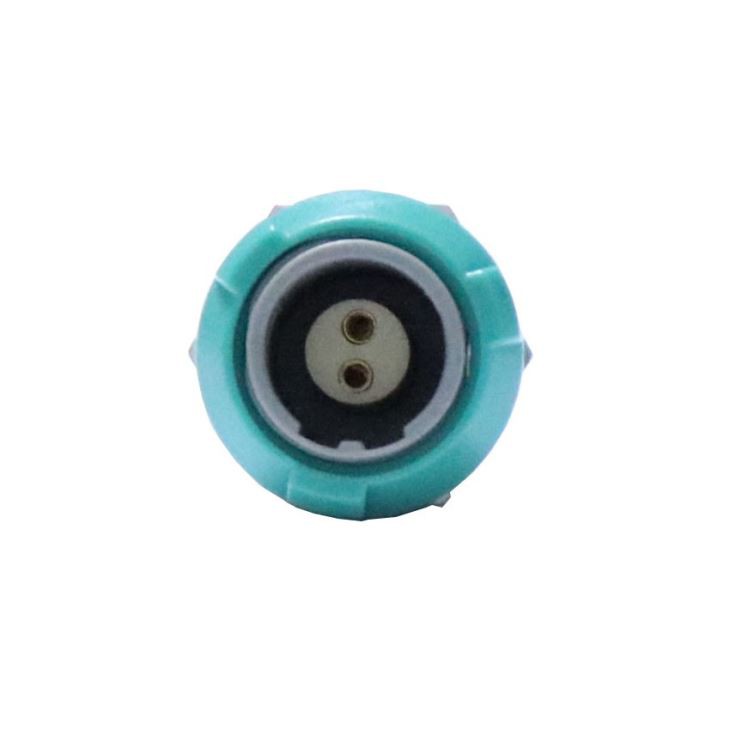

- Plastic Components: Plastics are commonly used in Fixed Socket PKGs due to their lightweight, low cost, and ease of manufacturing. However, plastics have a relatively low melting point and can deform or melt at high temperatures. This can lead to issues such as socket misalignment, contact resistance, and even short circuits.
- Metal Components: Metals are used in Fixed Socket PKGs for their high conductivity and mechanical strength. However, metals can also expand and contract with temperature changes, which can cause stress on the socket and its connections. This can lead to issues such as contact fatigue, loosening of connections, and reduced conductivity.
- Ceramic Components: Ceramics are used in Fixed Socket PKGs for their high temperature resistance and electrical insulation properties. However, ceramics can be brittle and prone to cracking at high temperatures. This can lead to issues such as electrical leakage, short circuits, and reduced reliability.
Strategies for Protecting Fixed Socket PKGs in High-Temperature Environments
Based on the understanding of the impact of high temperatures on Fixed Socket PKGs, here are some effective strategies and best practices for protecting these components in high-temperature environments:
1. Select High-Temperature-Resistant Materials
- Plastics: When selecting plastics for Fixed Socket PKGs, it's important to choose materials with high melting points and good thermal stability. Some examples of high-temperature-resistant plastics include polyetheretherketone (PEEK), polyphenylene sulfide (PPS), and liquid crystal polymer (LCP). These materials can withstand temperatures up to 200°C or higher without significant deformation or degradation.
- Metals: When selecting metals for Fixed Socket PKGs, it's important to choose materials with low thermal expansion coefficients and good corrosion resistance. Some examples of high-temperature-resistant metals include stainless steel, titanium, and nickel alloys. These materials can withstand temperatures up to 500°C or higher without significant expansion or corrosion.
- Ceramics: When selecting ceramics for Fixed Socket PKGs, it's important to choose materials with high thermal shock resistance and good electrical insulation properties. Some examples of high-temperature-resistant ceramics include alumina, zirconia, and silicon carbide. These materials can withstand temperatures up to 1000°C or higher without significant cracking or electrical leakage.
2. Optimize the Design of Fixed Socket PKGs
- Thermal Management: The design of Fixed Socket PKGs should incorporate effective thermal management features to dissipate heat and prevent overheating. This can include features such as heat sinks, thermal vias, and ventilation channels. Heat sinks are passive cooling devices that increase the surface area of the socket and allow heat to be transferred more efficiently to the surrounding environment. Thermal vias are small holes in the PCB that allow heat to be transferred from the socket to the other side of the board. Ventilation channels are designed to allow air to flow through the socket and carry away heat.
- Mechanical Design: The mechanical design of Fixed Socket PKGs should also be optimized to withstand the stresses and strains caused by high temperatures. This can include features such as reinforced housing, flexible connectors, and shock-absorbing materials. Reinforced housing can provide additional mechanical support and protection for the socket. Flexible connectors can allow for some movement and expansion of the socket without causing damage to the connections. Shock-absorbing materials can help to reduce the impact of vibrations and shocks on the socket.
3. Implement Thermal Protection Devices
- Thermal Fuses: Thermal fuses are electrical devices that are designed to open the circuit when the temperature exceeds a certain threshold. Thermal fuses can be used to protect Fixed Socket PKGs from overheating by cutting off the power supply when the temperature reaches a dangerous level. Thermal fuses are typically rated for a specific temperature and current, and they should be selected based on the requirements of the application.
- Thermistors: Thermistors are temperature-sensitive resistors that can be used to monitor the temperature of Fixed Socket PKGs. Thermistors can be connected to a control circuit that can adjust the power supply or activate a cooling system based on the temperature reading. Thermistors are typically more accurate and reliable than thermal fuses, but they are also more expensive.
4. Provide Adequate Cooling
- Natural Convection: Natural convection is the process of heat transfer by the movement of air due to temperature differences. Natural convection can be used to cool Fixed Socket PKGs by providing adequate ventilation and airflow around the socket. This can be achieved by designing the housing of the socket with ventilation holes or by using a fan to blow air over the socket.
- Forced Convection: Forced convection is the process of heat transfer by the movement of air or other fluids using a fan or a pump. Forced convection can be used to cool Fixed Socket PKGs more effectively than natural convection by increasing the airflow and the heat transfer coefficient. Forced convection can be achieved by using a fan or a blower to blow air over the socket or by using a liquid cooling system to circulate a coolant around the socket.
5. Monitor and Control the Temperature
- Temperature Sensors: Temperature sensors can be used to monitor the temperature of Fixed Socket PKGs in real-time. Temperature sensors can be connected to a control circuit that can adjust the power supply or activate a cooling system based on the temperature reading. Temperature sensors are typically more accurate and reliable than thermal fuses or thermistors, but they are also more expensive.
- Temperature Controllers: Temperature controllers can be used to control the temperature of Fixed Socket PKGs by adjusting the power supply or activating a cooling system based on the temperature reading. Temperature controllers can be programmed to maintain a specific temperature range or to respond to changes in temperature. Temperature controllers are typically more complex and expensive than temperature sensors, but they can provide more precise control over the temperature.
Our Fixed Socket PKG Products for High-Temperature Environments
As a supplier of Fixed Socket PKGs, we offer a wide range of products that are designed to withstand high temperatures and provide reliable performance in challenging environments. Our products include:
- 1P Medical Plastic Connector 1keying PKG 2-10pin,14pin Fixed Socket: This product is made of high-temperature-resistant plastic and is designed for medical applications that require reliable performance in high-temperature environments.
- Medical Plastic ConnectorTwo Keyings PKG 2, 3pin 5-8 Pin 1P Fixed Socket 60 Degree: This product is made of high-temperature-resistant plastic and is designed for medical applications that require reliable performance in high-temperature environments. The 60-degree angle design provides easy access and installation.
- 1P Medical Connector PKG 2, 3pin 5-8 Pin 1P Fixed Socket 40 Degree Two Keyings: This product is made of high-temperature-resistant plastic and is designed for medical applications that require reliable performance in high-temperature environments. The 40-degree angle design provides easy access and installation, and the two keyings ensure proper alignment and connection.
Conclusion
Protecting Fixed Socket PKGs in high-temperature environments is crucial for ensuring their performance and longevity. By selecting high-temperature-resistant materials, optimizing the design of the socket, implementing thermal protection devices, providing adequate cooling, and monitoring and controlling the temperature, you can effectively protect your Fixed Socket PKGs from the damaging effects of high temperatures. As a supplier of Fixed Socket PKGs, we are committed to providing high-quality products and solutions that meet the needs of our customers in high-temperature environments. If you have any questions or need further information about our products, please feel free to contact us for procurement and negotiation.
References
- Smith, J. (2018). Thermal Management of Electronic Components. New York: Wiley.
- Jones, A. (2019). High-Temperature Materials and Their Applications. Cambridge: Cambridge University Press.
- Brown, R. (2020). Electronic Packaging and Interconnection Handbook. Boca Raton: CRC Press.