


As a provider of Fixed Socket PKGs, I understand the importance of keeping these components free from dust. Dust can cause a variety of problems, from electrical malfunctions to mechanical wear and tear. In this blog post, I'll share some effective strategies to protect Fixed Socket PKGs from dust, ensuring their longevity and optimal performance.
Understanding the Risks of Dust to Fixed Socket PKGs
Before we dive into the protection methods, it's crucial to understand why dust is a threat to Fixed Socket PKGs. Dust particles can accumulate inside the sockets, creating a layer of insulation that can interfere with electrical conductivity. This can lead to poor signal transmission, increased resistance, and even overheating, which may ultimately damage the components.
In addition to electrical issues, dust can also cause mechanical problems. When dust settles on moving parts or in tight spaces, it can act as an abrasive, wearing down surfaces and causing friction. This can lead to premature failure of the socket or other connected components.
Strategies for Dust Protection
1. Enclosures and Housings
One of the most effective ways to protect Fixed Socket PKGs from dust is to use enclosures and housings. These can be made of various materials, such as plastic, metal, or fiberglass, and are designed to provide a physical barrier between the socket and the surrounding environment.
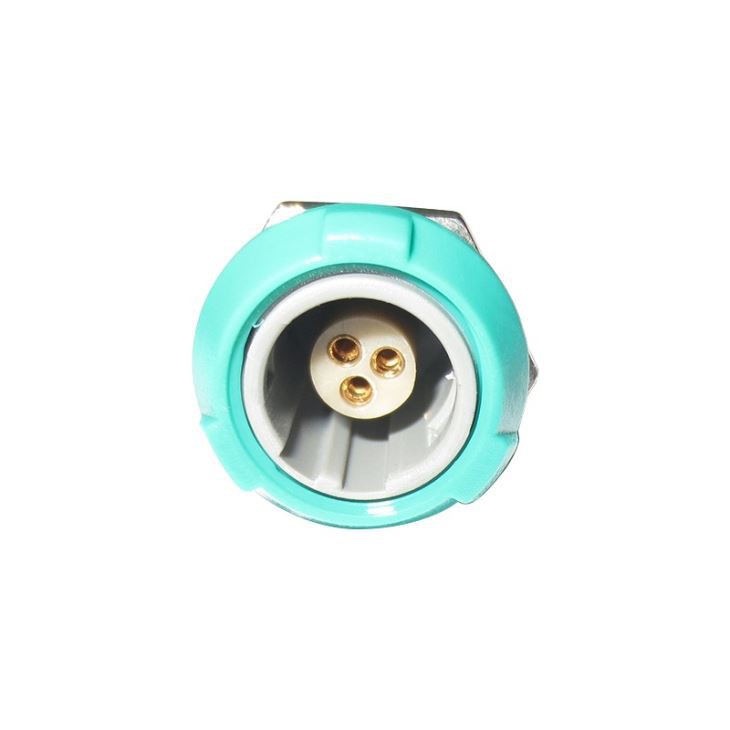

When choosing an enclosure, it's important to consider the level of protection required. Look for enclosures that are rated for dust protection, such as those with an IP (Ingress Protection) rating. The IP rating system provides a standardized way to indicate the degree of protection against dust and water. For example, an IP5X rating means that the enclosure provides protection against dust ingress to the extent that it will not interfere with the operation of the equipment.
In addition to the IP rating, consider the size and shape of the enclosure. It should be large enough to accommodate the socket and any connected components, but not so large that it creates unnecessary space for dust to accumulate. Also, make sure the enclosure has proper ventilation to prevent overheating.
2. Sealing and Gaskets
Another important aspect of dust protection is sealing. Seals and gaskets can be used to prevent dust from entering the socket or enclosure through gaps and openings. There are various types of seals available, including rubber, silicone, and foam, each with its own advantages and disadvantages.
When installing seals and gaskets, make sure they are properly sized and installed correctly. A loose or improperly installed seal can allow dust to enter, defeating the purpose of the protection. Also, check the seals regularly for signs of wear or damage and replace them as needed.
3. Filtration Systems
Filtration systems can be used to remove dust from the air before it enters the enclosure or socket. These systems typically consist of filters that trap dust particles as air passes through them. There are various types of filters available, including mechanical filters, electrostatic filters, and HEPA (High-Efficiency Particulate Air) filters.
The type of filter you choose will depend on the level of dust in the environment and the specific requirements of your application. For example, in a high-dust environment, a HEPA filter may be necessary to provide the highest level of protection. However, HEPA filters can be more expensive and may require more maintenance than other types of filters.
When using a filtration system, make sure to follow the manufacturer's instructions for installation and maintenance. This may include regular filter replacement or cleaning to ensure optimal performance.
4. Regular Cleaning and Maintenance
Even with the best dust protection measures in place, some dust may still find its way into the socket or enclosure. That's why regular cleaning and maintenance are essential to keep the Fixed Socket PKGs in good condition.
When cleaning the socket, use a soft, dry brush or compressed air to remove any loose dust. Avoid using wet or abrasive cleaners, as these can damage the components. If necessary, you can use a mild solvent or cleaning solution, but make sure to follow the manufacturer's instructions and allow the socket to dry completely before reconnecting any components.
In addition to cleaning the socket, also check the enclosure and any connected components for signs of dust accumulation or damage. Look for loose connections, worn seals, or other issues that may need to be addressed.
Product Recommendations
As a Fixed Socket PKG supplier, I offer a range of products that are designed to provide reliable dust protection. Here are some of our recommended products:
- Plastic Connector PLG 3pin 1P 1keying Fixed Socket: This socket is made of high-quality plastic and features a 3-pin design with 1P and 1 keying. It is suitable for a variety of applications and provides good protection against dust and other contaminants.
- 1P Medical Connector PKG 2, 3pin 5 - 8 Pin 1P Fixed Socket 40 Degree Two Keyings: Designed for medical applications, this socket offers excellent dust protection and is available in various pin configurations. The 40-degree two-keying design provides additional security and prevents misalignment.
- PKG Plastic General Socket 2 Free Nut to Fix: This general-purpose socket is made of durable plastic and comes with two free nuts for easy installation. It is suitable for a wide range of applications and provides reliable dust protection.
Conclusion
Protecting Fixed Socket PKGs from dust is essential to ensure their longevity and optimal performance. By using enclosures, seals, filtration systems, and regular cleaning and maintenance, you can minimize the risk of dust-related problems and keep your components in good condition.
If you're interested in learning more about our Fixed Socket PKG products or need assistance with dust protection solutions, please don't hesitate to contact us. We're here to help you find the best products and solutions for your specific needs.
References
- "Dust and Contamination Control in Electrical Equipment," Electrical Safety Handbook, Third Edition, by David A. Voss.
- "Ingress Protection (IP) Ratings," International Electrotechnical Commission (IEC) Standard 60529.
- "Filter Selection Guide," Filtration and Separation Technology Handbook, by Larry D. Baxter.