


How to Ensure the Sterility of a Pressure Infusor Bag
As a supplier of Pressure Infusor Bags, I understand the critical importance of maintaining sterility in these medical devices. Pressure infusor bags are widely used in medical settings to deliver fluids, such as blood, saline, or medications, at a controlled rate under pressure. Ensuring their sterility is not only a matter of product quality but also a crucial aspect of patient safety. In this blog post, I will share some key strategies and best practices on how to ensure the sterility of Pressure Infusor Bags.
Understanding the Importance of Sterility
Before delving into the methods of ensuring sterility, it's essential to understand why it's so important. In a medical environment, any contamination in a pressure infusor bag can lead to serious health risks for patients. Bacteria, fungi, or other microorganisms can enter the patient's bloodstream through the infused fluid, causing infections, sepsis, or other life - threatening conditions. Therefore, strict sterility control measures are necessary at every stage of the pressure infusor bag's lifecycle, from manufacturing to storage and use.
Sterility Control in Manufacturing
The manufacturing process is the first line of defense in ensuring the sterility of pressure infusor bags. Here are some key steps:
Raw Material Selection: The quality of raw materials used in the production of pressure infusor bags has a direct impact on sterility. We carefully select materials that are known for their biocompatibility and resistance to microbial growth. For example, high - grade medical - grade plastics and nylon are commonly used. These materials are sourced from reliable suppliers who adhere to strict quality control standards.
Cleanroom Environment: The production of pressure infusor bags should take place in a cleanroom environment. Cleanrooms are designed to minimize the presence of airborne particles, dust, and microorganisms. They are classified based on the number of particles per cubic meter of air. For medical device manufacturing, a cleanroom of at least Class 100,000 or higher is typically required. In our cleanrooms, we maintain strict temperature, humidity, and air pressure control to ensure optimal conditions for sterile production.
Sterilization Processes: After the pressure infusor bags are manufactured, they need to undergo a sterilization process. There are several sterilization methods available, each with its own advantages and limitations.
- Steam Sterilization: Also known as autoclaving, steam sterilization is a widely used method. It involves exposing the pressure infusor bags to high - pressure steam at a temperature of around 121 - 134°C for a specific period of time. This method is effective in killing a wide range of microorganisms, including bacteria, fungi, and spores. However, not all materials can withstand the high temperature and pressure of steam sterilization.
- Ethylene Oxide (EO) Sterilization: EO sterilization is a low - temperature sterilization method that is suitable for materials that are sensitive to heat and moisture. EO gas penetrates the pressure infusor bags and kills microorganisms by reacting with their cellular components. However, EO is a toxic and flammable gas, so strict safety measures are required during the sterilization process. After EO sterilization, the products need to be aerated to remove any residual EO.
- Gamma Irradiation: Gamma irradiation uses high - energy gamma rays to kill microorganisms. It is a fast and effective sterilization method that can penetrate deep into the materials. Gamma irradiation is often used for disposable pressure infusor bags. However, it can cause some degradation of certain materials, so careful material selection is necessary.
Quality Control During Manufacturing
In addition to the sterilization process, rigorous quality control is essential to ensure the sterility of pressure infusor bags. We conduct regular microbiological testing on samples from each production batch. These tests include methods such as membrane filtration and direct plating to detect the presence of microorganisms. We also perform physical and chemical tests to ensure that the pressure infusor bags meet all the required specifications, such as pressure resistance, leakage, and compatibility with infused fluids.
Packaging and Labeling
Proper packaging is crucial to maintain the sterility of pressure infusor bags after sterilization. The packaging materials should be designed to provide a barrier against microorganisms, moisture, and light. We use sterile packaging materials, such as sealed plastic bags or containers, that are specifically designed for medical devices. The packaging is also labeled with important information, including the sterilization method, expiration date, and instructions for use. This helps healthcare providers to handle and use the pressure infusor bags correctly.
Storage and Transportation
Once the pressure infusor bags are manufactured and packaged, proper storage and transportation are necessary to maintain their sterility.
Storage Conditions: Pressure infusor bags should be stored in a clean, dry, and well - ventilated area. The storage temperature should be within the specified range, usually between 18 - 25°C. High humidity can promote the growth of microorganisms, so humidity control is also important. We recommend storing the pressure infusor bags in their original packaging until they are ready to be used.
Transportation: During transportation, the pressure infusor bags should be protected from physical damage, temperature extremes, and contamination. We use specialized shipping containers that are designed to maintain the integrity of the products. The shipping containers are also labeled with handling instructions to ensure that the products are transported safely.
Handling and Use in Medical Settings
In a medical setting, healthcare providers play a crucial role in ensuring the sterility of pressure infusor bags.
Proper Handling: Healthcare providers should always wash their hands thoroughly before handling pressure infusor bags. They should also wear sterile gloves and masks when opening and preparing the bags for use. The pressure infusor bags should be inspected for any signs of damage or contamination before use. If a bag is damaged or shows signs of contamination, it should not be used.
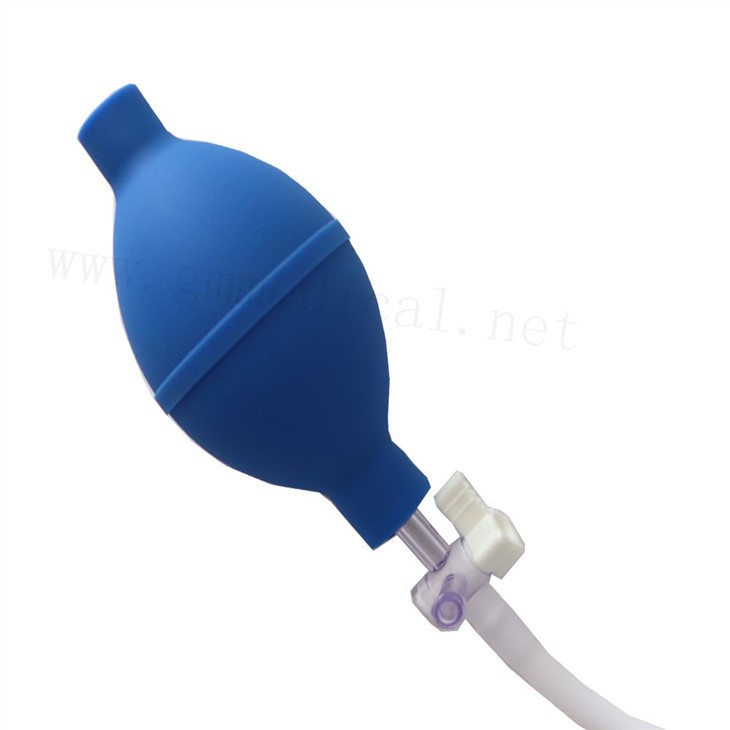

Connection and Disconnection: When connecting the pressure infusor bag to the infusion set or other medical devices, strict aseptic techniques should be followed. The connection points should be cleaned with an appropriate antiseptic solution before making the connection. Similarly, when disconnecting the bag, care should be taken to prevent contamination.
Product Selection for Different Medical Needs
We offer a variety of pressure infusor bags to meet different medical needs. For example, our Pressure Infusion Bag With Pressure Gauge 500ml is suitable for situations where a relatively small volume of fluid needs to be infused under pressure. The pressure gauge allows for easy monitoring of the pressure inside the bag.
Our 1000ml Reusable Nylon Pressure Infusion Bag With Pressure Gauge,White.for Blood And Fluid Quick Infusion. is a reusable option that is made of high - quality nylon. It is designed for quick infusion of blood and other fluids and can be sterilized and reused multiple times.
For larger volume requirements, we have the Disposable Infusion Pressure Bag With Pressure Display 3000ml.for Blood And Fluid Quick Infusion.. This disposable bag is convenient and eliminates the need for cleaning and sterilization after use.
Conclusion
Ensuring the sterility of pressure infusor bags is a multi - step process that involves strict control at every stage, from manufacturing to use. By following the best practices outlined in this blog post, we can minimize the risk of contamination and ensure the safety of patients. As a supplier, we are committed to providing high - quality pressure infusor bags that meet the highest standards of sterility. If you are interested in our products or have any questions about pressure infusor bag sterility, please feel free to contact us for procurement and further discussions.
References
- "Sterilization of Medical Devices" - A comprehensive guide on sterilization methods for medical devices published by a leading medical research institute.
- "Good Manufacturing Practices for Medical Devices" - Industry standards and guidelines for the manufacturing of medical devices, including pressure infusor bags.
- "Infection Control in Healthcare Settings" - Research papers and guidelines on preventing infections in medical environments, which are relevant to the use of pressure infusor bags.