


Can FHG Elbow Male Plug be used in cryogenic systems?
As a supplier of FHG Elbow Male Plugs, I often receive inquiries from customers about the suitability of our products for various applications, including cryogenic systems. Cryogenic systems operate at extremely low temperatures, typically below -150°C, and require components that can withstand these harsh conditions. In this blog post, I will explore whether FHG Elbow Male Plugs can be used in cryogenic systems and discuss the factors that need to be considered.
Understanding Cryogenic Systems
Cryogenic systems are used in a wide range of industries, including aerospace, medical, and scientific research. These systems rely on the use of cryogenic fluids, such as liquid nitrogen and liquid helium, to achieve and maintain low temperatures. The components used in cryogenic systems must be able to withstand the extreme cold, as well as the potential for thermal cycling and mechanical stress.
Characteristics of FHG Elbow Male Plugs
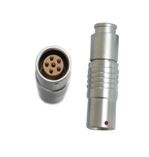
Before we can determine whether FHG Elbow Male Plugs can be used in cryogenic systems, it's important to understand their key characteristics. FHG Elbow Male Plugs are designed for use in push-pull circular metal connector applications. They are typically made from high-quality metals, such as stainless steel or aluminum, which offer good mechanical strength and durability.
The plugs are also engineered to provide a reliable electrical connection, with features such as precision contacts and a secure locking mechanism. Additionally, they are often designed to be waterproof, with an IP68 rating, which means they can be used in harsh environmental conditions. For more information about our waterproof products, you can visit PHG 0K 1K 2K Waterproof IP68 Metal Female Free Cable Socket.
Factors to Consider for Cryogenic Use
When evaluating whether FHG Elbow Male Plugs can be used in cryogenic systems, several factors need to be taken into account:
Material Compatibility
The materials used in the FHG Elbow Male Plugs must be able to withstand the low temperatures without becoming brittle or losing their mechanical properties. Some metals, such as certain grades of stainless steel, are known to perform well at cryogenic temperatures. However, other materials may become more prone to cracking or deformation. It's essential to select materials that have been tested and proven to be suitable for cryogenic applications.
Thermal Expansion
Cryogenic systems involve significant temperature changes, which can cause materials to expand and contract. This thermal cycling can put stress on the components, including the FHG Elbow Male Plugs. The plugs need to be designed in a way that allows for thermal expansion and contraction without compromising the electrical connection or the structural integrity of the plug.

Sealing Performance
Maintaining a proper seal is crucial in cryogenic systems to prevent the leakage of cryogenic fluids. The FHG Elbow Male Plugs' sealing mechanism must be able to withstand the low temperatures and maintain its integrity. A poor seal can lead to fluid leakage, which can not only be wasteful but also pose safety risks.
Electrical Performance
The electrical performance of the FHG Elbow Male Plugs must remain stable at cryogenic temperatures. Low temperatures can affect the conductivity of materials and the performance of electrical contacts. The plugs need to be designed to ensure a consistent and reliable electrical connection, even in the extreme cold.
Testing and Validation
To determine the suitability of FHG Elbow Male Plugs for cryogenic systems, rigorous testing and validation are necessary. This may involve subjecting the plugs to simulated cryogenic conditions in a laboratory setting. The tests can include measuring the mechanical properties, such as hardness and tensile strength, at low temperatures, as well as evaluating the electrical performance and sealing integrity.
If the FHG Elbow Male Plugs pass these tests, they can be considered for use in cryogenic systems. However, it's important to note that each application may have unique requirements, and additional testing may be needed to ensure optimal performance.
Our Experience and Expertise
As a supplier of FHG Elbow Male Plugs, we have extensive experience in providing connectors for a variety of industries. While we have not specifically tested our plugs in every possible cryogenic application, we are committed to working with our customers to understand their needs and provide solutions that meet their requirements.
We can offer guidance on material selection, design modifications, and testing procedures to ensure that our FHG Elbow Male Plugs are suitable for cryogenic use. If you are interested in learning more about our FHG Elbow Male Plugs, please feel free to contact us to discuss your specific application.
Conclusion
In conclusion, while FHG Elbow Male Plugs have the potential to be used in cryogenic systems, careful consideration of material compatibility, thermal expansion, sealing performance, and electrical performance is necessary. Through proper testing and validation, we can determine whether our plugs are suitable for your specific cryogenic application.
If you are in the market for connectors for your cryogenic system, we encourage you to reach out to us. Our team of experts is ready to work with you to provide the best possible solution. Whether you need further information, samples for testing, or a customized design, we are here to assist you. Contact us today to start the conversation about how our FHG Elbow Male Plugs can meet your cryogenic system needs.
References
- ASM Handbook, Volume 3: Alloy Phase Diagrams. ASM International.
- Cryogenic Engineering Handbook. Edited by Richard W. Fast.
- "Materials for Cryogenic Applications" by Robert P. Reed. Cryogenics, Volume 16, Issue 11, November 1976.