


As a supplier of ECG Leadwires - Snap, I've often been asked whether our products are suitable for pediatric ECG monitoring. This is a crucial question, as the unique physiological characteristics of children demand specialized medical equipment. In this blog, I'll delve into the feasibility of using ECG Leadwires - Snap in pediatric ECG monitoring, exploring their features, potential benefits, and considerations.

Understanding Pediatric ECG Monitoring
Pediatric ECG monitoring differs significantly from adult monitoring due to the smaller body size, thinner skin, and different cardiac electrical activity patterns of children. The equipment used must be gentle on their delicate skin, accurately capture the weak electrical signals generated by their hearts, and be easy to use in a pediatric setting, which may involve restless or uncooperative patients.
Features of ECG Leadwires - Snap
Design and Connectivity
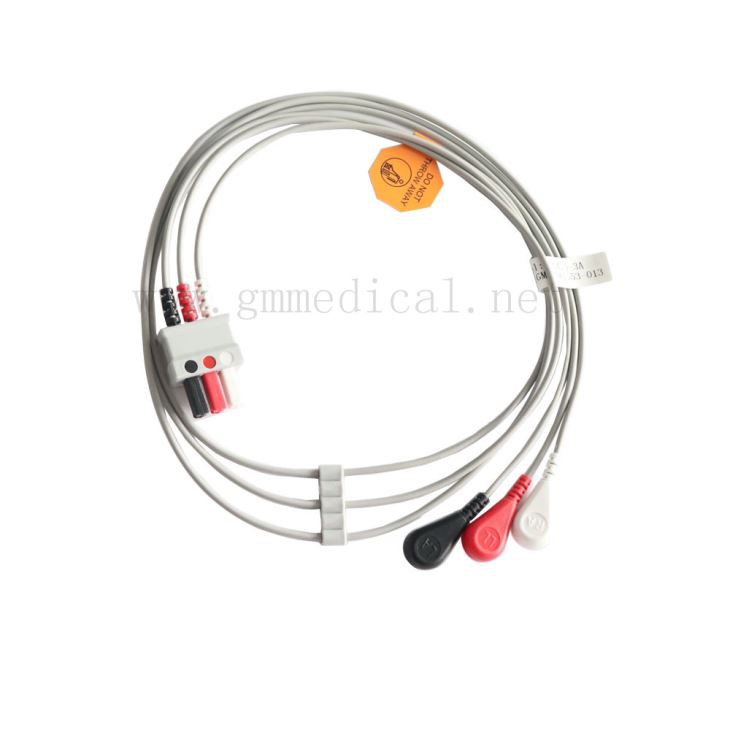
ECG Leadwires - Snap are designed with a snap - on connector system, which offers several advantages. The snap connectors are easy to attach and detach, allowing for quick and hassle - free electrode placement and removal. This is particularly important in a pediatric setting, where minimizing the time a child has to remain still is crucial. For example, our Compatible M1645A 5 - lead Leadwires, IEC, Snap feature a reliable snap - on design that ensures a secure connection between the electrodes and the monitoring device.
Signal Transmission
These leadwires are engineered to provide high - quality signal transmission. They are equipped with conductors that minimize electrical interference and noise, ensuring accurate capture of the heart's electrical signals. In pediatric patients, whose cardiac signals are often weaker than those of adults, the ability to transmit clear signals is essential for accurate diagnosis.
Durability
Pediatric patients may be more active and less compliant during ECG monitoring. Therefore, the leadwires need to be durable enough to withstand movement and potential tugging. Our ECG Leadwires - Snap are made from high - quality materials that are resistant to wear and tear, ensuring a long service life even in a challenging pediatric environment.
Benefits of Using ECG Leadwires - Snap in Pediatric ECG Monitoring
Ease of Use
The snap - on design of the leadwires makes them easy to use, even for inexperienced healthcare providers. In a pediatric ward, where time is often of the essence, the ability to quickly attach the leadwires can save valuable minutes. This is especially important during emergencies or when monitoring multiple patients.
Comfort for the Patient
The gentle snap connectors are less likely to cause discomfort or skin irritation compared to some other types of connectors. This is crucial for pediatric patients, as their skin is more sensitive. By using ECG Leadwires - Snap, we can ensure a more comfortable monitoring experience for children, which may improve their cooperation during the procedure.
Compatibility
Our ECG Leadwires - Snap are designed to be compatible with a wide range of ECG monitoring devices. This means that healthcare providers can use them with the existing equipment in their pediatric units, reducing the need for additional investments in new monitoring systems. For instance, our Din Style Holter 4 - lead Leadwires DIN1.5 are compatible with many popular Holter monitors used in pediatric cardiology.
Considerations When Using ECG Leadwires - Snap in Pediatric ECG Monitoring
Size and Proportion
Although ECG Leadwires - Snap offer many advantages, it's important to consider the size and proportion of the leadwires in relation to the child's body. In very young children or infants, the standard leadwires may be too large or heavy. In such cases, specialized pediatric - sized leadwires may be required to ensure proper electrode placement and accurate signal capture.
Electrode Selection
The choice of electrodes is also crucial in pediatric ECG monitoring. The electrodes should be appropriate for the child's skin type and size. They should adhere well to the skin without causing irritation. Healthcare providers need to ensure that the electrodes used with the ECG Leadwires - Snap are suitable for pediatric patients.
Training
While the snap - on design of the leadwires is easy to use, healthcare providers still need to receive proper training on their correct use in pediatric patients. This includes understanding how to place the electrodes accurately, how to handle the leadwires to avoid signal interference, and how to troubleshoot any problems that may arise during monitoring.
Real - World Applications
In many pediatric hospitals and clinics around the world, ECG Leadwires - Snap are already being used successfully for ECG monitoring. For example, in a large pediatric cardiology center, the use of our Compatible With Siemens3 - Lead ECG Leadwires has improved the efficiency of ECG monitoring. The snap - on design has reduced the time required for leadwire attachment, and the high - quality signal transmission has led to more accurate diagnoses.
Conclusion
In conclusion, ECG Leadwires - Snap can be a viable option for pediatric ECG monitoring. Their design, signal transmission capabilities, and durability offer several advantages in a pediatric setting. However, healthcare providers need to consider factors such as size, electrode selection, and training to ensure the safe and effective use of these leadwires.
If you're interested in learning more about our ECG Leadwires - Snap or would like to discuss potential procurement for your pediatric department, please feel free to reach out. We're committed to providing high - quality products and excellent customer service to meet your needs.
References
- Pediatric Cardiology Handbook, 5th Edition.
- Journal of Pediatric Cardiology, various issues on ECG monitoring.
- Manufacturer's guidelines for ECG Leadwires - Snap products.