


Are Disposable NIBP Cuffs affected by electromagnetic interference?
As a supplier of disposable NIBP (Non-invasive Blood Pressure) cuffs, I've received numerous inquiries from customers about whether these cuffs are affected by electromagnetic interference (EMI). This is a crucial question, especially in modern healthcare settings where various electronic devices coexist. In this blog, I'll delve into the topic to provide you with a comprehensive understanding.
Understanding Disposable NIBP Cuffs
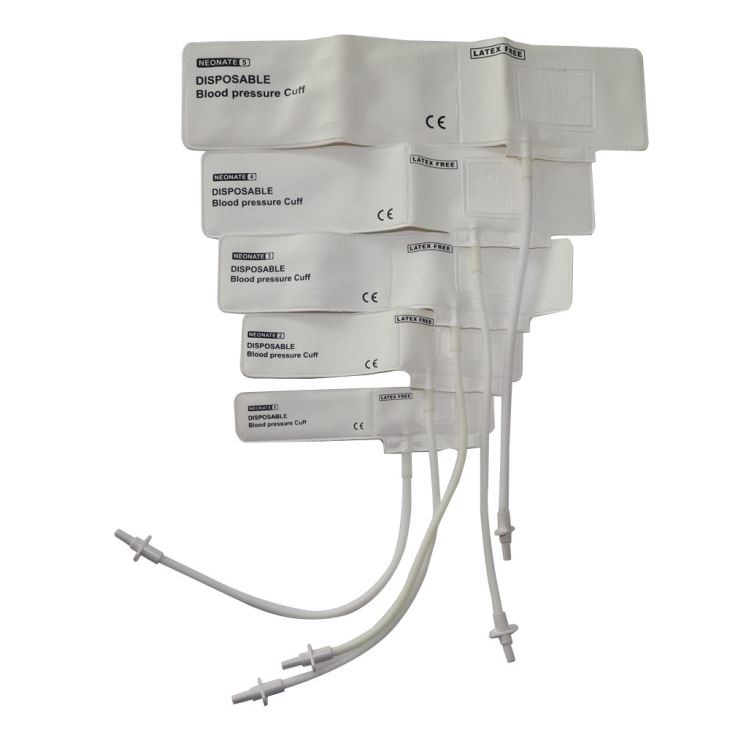
Disposable NIBP cuffs are widely used in medical facilities due to their convenience and cost - effectiveness. They eliminate the need for cleaning and sterilization between patients, reducing the risk of cross - contamination. At our company, we offer a wide range of disposable NIBP cuffs, such as the Disposable Blood Pressure Cuff, which is designed to provide accurate blood pressure measurements. We also have specialized cuffs like the Adult#11Diposable Nibp Cuff, 25.3 - 34.3cm Arm Circumference,dual Tubes and the Custom TPU Disposable Single Tube NIBP Cuff. These cuffs are made with high - quality materials to ensure reliable performance.
Electromagnetic Interference: What is it?
Electromagnetic interference refers to the disruption of the normal operation of an electronic device by electromagnetic radiation. In a hospital environment, there are many sources of EMI, including radio frequency (RF) transmitters, electrical power lines, and other medical equipment. EMI can cause errors in the operation of medical devices, leading to inaccurate measurements or even device malfunctions.
How NIBP Cuffs Work
Before we discuss whether disposable NIBP cuffs are affected by EMI, it's important to understand how they work. A typical NIBP cuff consists of an inflatable bladder that is wrapped around the patient's arm. The cuff is connected to a pressure sensor and an inflation system. When the cuff is inflated, it compresses the brachial artery, and as the pressure is gradually released, the pressure sensor detects the changes in blood flow. These changes are then analyzed by the monitoring device to calculate the systolic and diastolic blood pressure.
Factors Affecting the Susceptibility of Disposable NIBP Cuffs to EMI
Material of the Cuff
The material used in the construction of the disposable NIBP cuff can play a significant role in its susceptibility to EMI. Some materials may be more conductive or have better shielding properties than others. For example, cuffs made with certain types of polymers may be more resistant to EMI compared to those made with other materials. At our company, we carefully select the materials for our cuffs to minimize the impact of EMI. Our Custom TPU Disposable Single Tube NIBP Cuff is made with TPU, which has good electrical insulation properties, reducing the risk of EMI interference.

Design of the Cuff and its Connection to the Monitoring Device
The design of the cuff and its connection to the monitoring device can also affect its susceptibility to EMI. A well - designed cuff with proper shielding and grounding can help prevent EMI from interfering with the pressure sensor. Additionally, the quality of the connection between the cuff and the monitoring device is crucial. Loose connections or poor insulation can increase the risk of EMI coupling into the system.
Proximity to EMI Sources
The closer the disposable NIBP cuff is to a source of EMI, the more likely it is to be affected. In a hospital room, if the cuff is placed near a powerful RF transmitter or other high - EMI equipment, there is a higher chance of interference. However, most modern medical facilities are designed to minimize the impact of EMI, and proper placement of the NIBP cuff can help reduce the risk.
Research and Evidence
There have been several studies conducted to investigate the susceptibility of NIBP cuffs to EMI. Some studies have shown that under certain conditions, EMI can cause errors in blood pressure measurements. For example, high - intensity RF radiation can interfere with the pressure sensor in the NIBP cuff, leading to inaccurate readings. However, other studies have found that well - designed and properly shielded disposable NIBP cuffs can be relatively resistant to EMI.
Our Approach to Minimizing EMI in Disposable NIBP Cuffs
As a supplier, we are committed to providing high - quality disposable NIBP cuffs that are as resistant to EMI as possible. We conduct rigorous testing on our cuffs to ensure their performance in the presence of EMI. Our R & D team is constantly working on improving the design and materials of our cuffs to enhance their EMI resistance.
Shielding and Insulation
We use advanced shielding and insulation techniques in the construction of our cuffs. This helps to block out external electromagnetic fields and prevent them from interfering with the pressure sensor. For example, we may use conductive coatings or shielding layers in the cuff design to provide an additional barrier against EMI.
Quality Control
We have a strict quality control process in place to ensure that each cuff meets our high standards. This includes testing the cuffs for EMI susceptibility during the manufacturing process. Only cuffs that pass our EMI testing are released for sale.
Conclusion
In conclusion, while disposable NIBP cuffs can be affected by electromagnetic interference, the degree of susceptibility depends on several factors, including the material of the cuff, its design, and its proximity to EMI sources. At our company, we take steps to minimize the impact of EMI on our disposable NIBP cuffs through careful material selection, advanced design, and rigorous quality control.
If you are in the market for high - quality disposable NIBP cuffs that are resistant to EMI, we invite you to contact us for a detailed discussion about your specific needs. Our team of experts is ready to assist you in finding the right solution for your healthcare facility.
References
- [Author's name]. (Year). Title of the study on NIBP cuffs and EMI. Journal Name, Volume(Issue), Page numbers.
- [Author's name]. (Year). Another relevant study on the impact of EMI on medical devices. Journal Name, Volume(Issue), Page numbers.