



What materials are used to make temperature probes?
Hey there! I'm a supplier of temperature probes, and I often get asked about the materials used to make these nifty devices. Well, let's dive right in and explore the ins and outs of temperature probe materials.
Thermocouples
One of the most common types of temperature probes is the thermocouple. Thermocouples work based on the Seebeck effect, which means when two different metals are joined at two junctions and there's a temperature difference between the junctions, a voltage is generated.
The materials used for thermocouples vary depending on the temperature range and application. For example, type K thermocouples are super popular. They're made of chromel (a nickel - chromium alloy) and alumel (a nickel - aluminum alloy). These materials can handle a wide temperature range, from about -200°C to 1372°C. They're used in all sorts of industrial applications, like monitoring the temperature in furnaces and heat - treating processes.
Type J thermocouples are another option. They're made of iron and constantan (a copper - nickel alloy). They're great for lower temperature ranges, typically from 0°C to 760°C. You might find them in food processing plants, where they're used to monitor the temperature of food during cooking and storage.
Resistance Temperature Detectors (RTDs)
RTDs are another important type of temperature probe. They work on the principle that the electrical resistance of a metal changes with temperature. The most common material used for RTDs is platinum. Platinum has a very stable and predictable relationship between resistance and temperature.
Platinum RTDs are known for their high accuracy and long - term stability. They can be used in a wide range of applications, from laboratory research to HVAC systems. The purity of the platinum is crucial. For example, a Pt100 RTD has a resistance of 100 ohms at 0°C and is made of high - purity platinum. These probes are often used in critical applications where precise temperature measurement is required, like in pharmaceutical manufacturing.
Thermistors
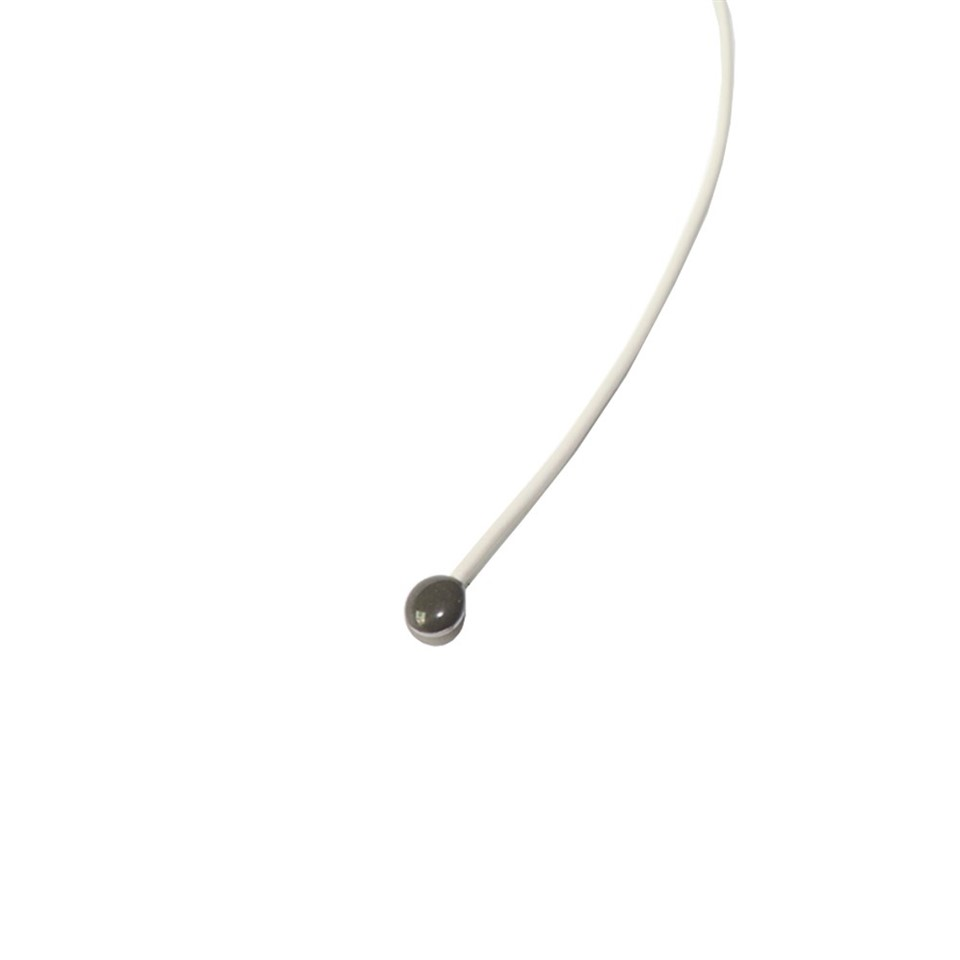
Thermistors are temperature - sensitive resistors. They're made of semiconductor materials, such as metal oxides like manganese, nickel, and cobalt oxides. Thermistors have a very high sensitivity to temperature changes, which means a small change in temperature can cause a large change in resistance.
There are two main types of thermistors: negative temperature coefficient (NTC) and positive temperature coefficient (PTC). NTC thermistors are more common. Their resistance decreases as the temperature increases. They're used in many consumer electronics, like smartphones and laptops, to monitor the temperature and prevent overheating.
Sheaths and Insulation
The materials used for the sheaths and insulation of temperature probes are also important. The sheath protects the sensing element from the environment, such as chemicals, moisture, and mechanical damage.
Stainless steel is a popular choice for sheaths. It's strong, corrosion - resistant, and can withstand high temperatures. For applications where the probe needs to be in contact with food or medical equipment, stainless steel is a great option because it's hygienic and easy to clean.
Ceramic materials are also used for sheaths, especially in high - temperature applications. Ceramics can handle extremely high temperatures and are electrically insulating, which is important to prevent interference with the electrical signals from the sensing element.
For insulation, materials like glass fiber and mica are commonly used. Glass fiber is flexible and has good thermal insulation properties. Mica is a natural mineral that has excellent electrical insulation and can withstand high temperatures.
Specialized Applications
In some specialized applications, unique materials are used. For example, in cryogenic applications where temperatures are extremely low, probes may be made with materials that can handle these frigid conditions. Superconducting materials might be used in some high - tech research applications to measure temperatures close to absolute zero.
In the medical field, temperature probes need to be safe and hygienic. For instance, the Oral Temperature Probe for Welch Allyn is designed to be used in the mouth. It's made with materials that are non - toxic and easy to clean. The sensing element is usually a thermistor or a small RTD, and the probe is covered with a soft, comfortable plastic sheath.
In industrial settings where there are electromagnetic fields, special shielding materials are used to protect the temperature probe from interference. Copper or aluminum shielding can be added to the cable or the sheath to block out unwanted electromagnetic signals.
Cable and Connector Materials
The cable that connects the temperature probe to the measuring device is also an important part of the system. The cable needs to be flexible, durable, and have good electrical conductivity. Copper is a common material for the conductors in the cable because it has low resistance and is a good conductor of electricity.
The insulation around the copper conductors is typically made of materials like PVC (polyvinyl chloride) or Teflon. PVC is inexpensive and has good insulation properties. Teflon, on the other hand, is more expensive but can withstand higher temperatures and is more chemically resistant.
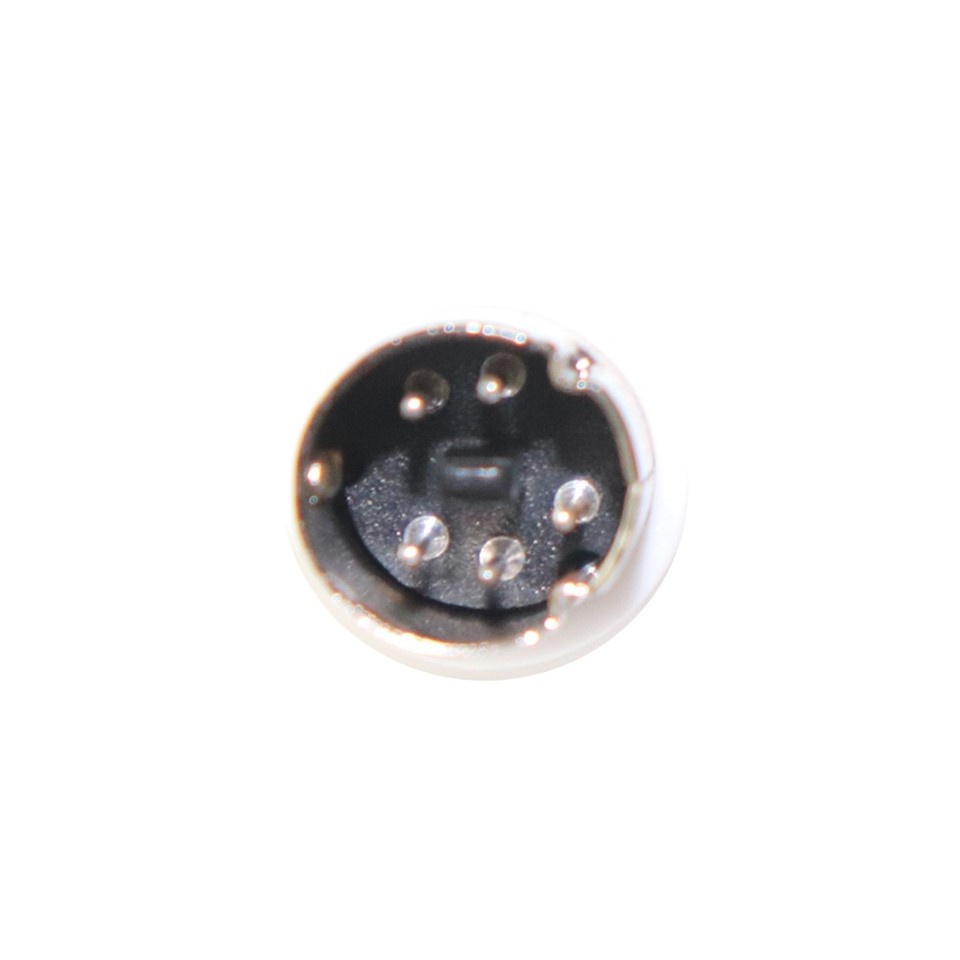
The connectors at the end of the cable are usually made of metal, such as brass or stainless steel. These materials are strong and can provide a good electrical connection. For example, the Temperature Probe Adapter Cable, use With YSI400 Temperature Probe has high - quality connectors that ensure a reliable connection between the probe and the measuring device.
Reusable Probes
Reusable temperature probes are widely used in many industries. Take the Reusable Temperature Probe For Drager MU12533 as an example. These probes are designed to be used multiple times, so the materials need to be durable and easy to clean. The sheath is often made of a hard - wearing plastic or stainless steel, and the sensing element is protected to ensure long - term accuracy.
Why Choose the Right Materials?
Choosing the right materials for temperature probes is crucial. The wrong material can lead to inaccurate temperature measurements, short - lived probes, and even safety hazards. For example, if a probe is used in a corrosive environment and the sheath is not made of a corrosion - resistant material, the probe will quickly deteriorate and give false readings.
In high - temperature applications, using a material that can't withstand the heat can cause the probe to fail, which can be dangerous in industrial processes. On the other hand, using high - quality materials ensures that the temperature probe will perform accurately and reliably over a long period of time.
Contact Us for Your Temperature Probe Needs
If you're in the market for temperature probes, whether it's for industrial, medical, or consumer applications, we've got you covered. We offer a wide range of temperature probes made with high - quality materials to meet your specific requirements. Whether you need a thermocouple for a furnace, an RTD for a laboratory experiment, or a thermistor for a consumer electronic device, we can provide the right solution.
Don't hesitate to reach out to us for more information and to start a procurement discussion. We're here to help you find the perfect temperature probes for your needs.
References
- "Temperature Measurement Handbook" by Omega Engineering
- "Thermocouples: Theory and Practice" by John W. NIST
- "Resistance Temperature Detectors: Principles and Applications" by Industrial Temperature Measurement Association