


Hey there! As a supplier of electrosurgical pencils, I often get asked about the maximum cutting depth these nifty tools can achieve. So, let's dive right into it and explore this topic in detail.
Understanding Electrosurgical Pencils
First off, for those who aren't super familiar, electrosurgical pencils are essential instruments in the medical field. They use electrical energy to cut, coagulate, or vaporize tissue during surgical procedures. They're a game - changer in the operating room, offering precision and control that can't be matched by traditional scalpels in many cases.
The cutting depth of an electrosurgical pencil isn't a one - size - fits - all kind of deal. It depends on a bunch of factors, and we'll break them down one by one.

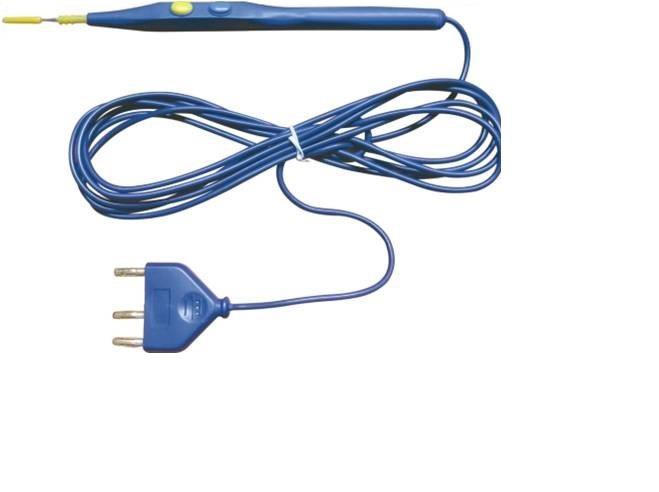
Factors Affecting Cutting Depth
Power Settings
One of the most significant factors is the power setting of the electrosurgical unit. Think of it like a volume knob on a stereo. The higher the power, the more energy is delivered to the tissue, and generally, the deeper the cut. Most electrosurgical units have adjustable power settings. Surgeons can dial up the power for thicker tissues that need a deeper cut, like muscle, and turn it down for more delicate areas, such as the skin or mucous membranes.
But here's the catch. Cranking up the power too high isn't always a good idea. It can cause excessive tissue damage, increase the risk of bleeding, and even harm surrounding healthy tissue. So, it's a balancing act for the surgeon to find the sweet spot for the right cutting depth without causing unnecessary harm.
Tissue Type
Different tissues have different electrical conductivities and densities, which directly impact the cutting depth. For example, fatty tissue is less dense and has a relatively high electrical resistance. This means that it might require less power to cut through compared to muscle tissue, which is denser and more conductive.
Skin, on the other hand, has a tough outer layer that can resist the electrical current to some extent. So, achieving a deep cut in the skin might need a bit more finesse and the right power setting. Surgeons need to take into account the specific tissue they're working on to determine the appropriate cutting depth.
Electrode Design
The design of the electrode on the electrosurgical pencil also plays a crucial role. Electrosurgical Pencil with 4cm Blade Head offers a different cutting experience compared to pencils with other blade shapes or sizes. A smaller, more pointed electrode can focus the electrical energy more precisely, allowing for a shallower and more controlled cut. This is great for detailed work, like in ophthalmic or plastic surgeries.
On the flip side, a larger, flat - tipped electrode can spread the energy over a wider area, which might be useful for cutting through larger masses of tissue. However, the cutting depth with a larger electrode might be a bit more variable and require careful adjustment.
Typical Cutting Depth Ranges
In general, for superficial skin procedures, the cutting depth might be as shallow as 0.5 to 1 millimeter. This is perfect for removing small skin lesions or performing minor cosmetic surgeries. When it comes to cutting through muscle tissue, the depth can range from 2 to 5 millimeters, depending on the power setting and the specific surgical need.
For more complex surgeries, such as those involving internal organs, the cutting depth can go even deeper, sometimes up to 10 millimeters or more. But again, this is highly dependent on the factors we've discussed earlier, and surgeons need to be extremely cautious to avoid damaging vital structures.
Maximizing Cutting Depth Safely
To get the maximum cutting depth safely, surgeons rely on a combination of skill, experience, and the right equipment. That's where our company comes in. We offer high - quality electrosurgical pencils that are designed to provide precise control over the cutting process.
Our Adapter Cable with 6.3 Connector . Connect Monopolar Disposable Plate and Electrosurgical Unit ensures a stable connection between the electrosurgical unit and the monopolar disposable plate, which is essential for consistent energy delivery. And for bipolar procedures, our Adapter Cable . Connect Bipolar Disposable Plate and Electrosurgical Unit provides a reliable link, allowing for efficient tissue cutting and coagulation.
The Importance of Quality Equipment
Using top - notch electrosurgical pencils and related accessories is crucial for achieving the desired cutting depth. Inferior products might not deliver the energy evenly, leading to inconsistent cuts and potential safety hazards. Our products are rigorously tested to meet the highest standards of quality and safety.
We understand that every surgical procedure is unique, and surgeons need equipment that they can trust. That's why we're constantly innovating and improving our products to provide the best possible solutions for the medical community.
Contact Us for Your Electrosurgical Needs
If you're in the market for high - quality electrosurgical pencils and related accessories, we'd love to hear from you. Whether you're a hospital, a surgical center, or a medical equipment distributor, we can provide you with the products you need at competitive prices.
Don't hesitate to reach out to us to discuss your specific requirements. We're here to help you make the right choices for your surgical procedures and ensure that you have the best tools at your disposal.
References
- Johnson, R. M., & Smith, A. L. (2018). Electrosurgery: Principles and Practice. Medical Publishing Group.
- Taylor, C. D., & Brown, E. F. (2019). Advances in Electrosurgical Technology. Surgical Innovations Journal.