


Storing a pressure infusor bag properly is crucial to maintain its functionality, safety, and longevity. As a supplier of high - quality pressure infusor bags, including products like Pressure Infusion Bag ,with Pressure Display, Pressure Infusion Bag With Pressure Gauge 500ml, and 1000ml Reusable Nylon Pressure Infusion Bag With Pressure Gauge,White.for Blood And Fluid Quick Infusion., I understand the significance of correct storage. In this blog, I will share some essential guidelines on how to store a pressure infusor bag effectively.
Understanding the Pressure Infusor Bag
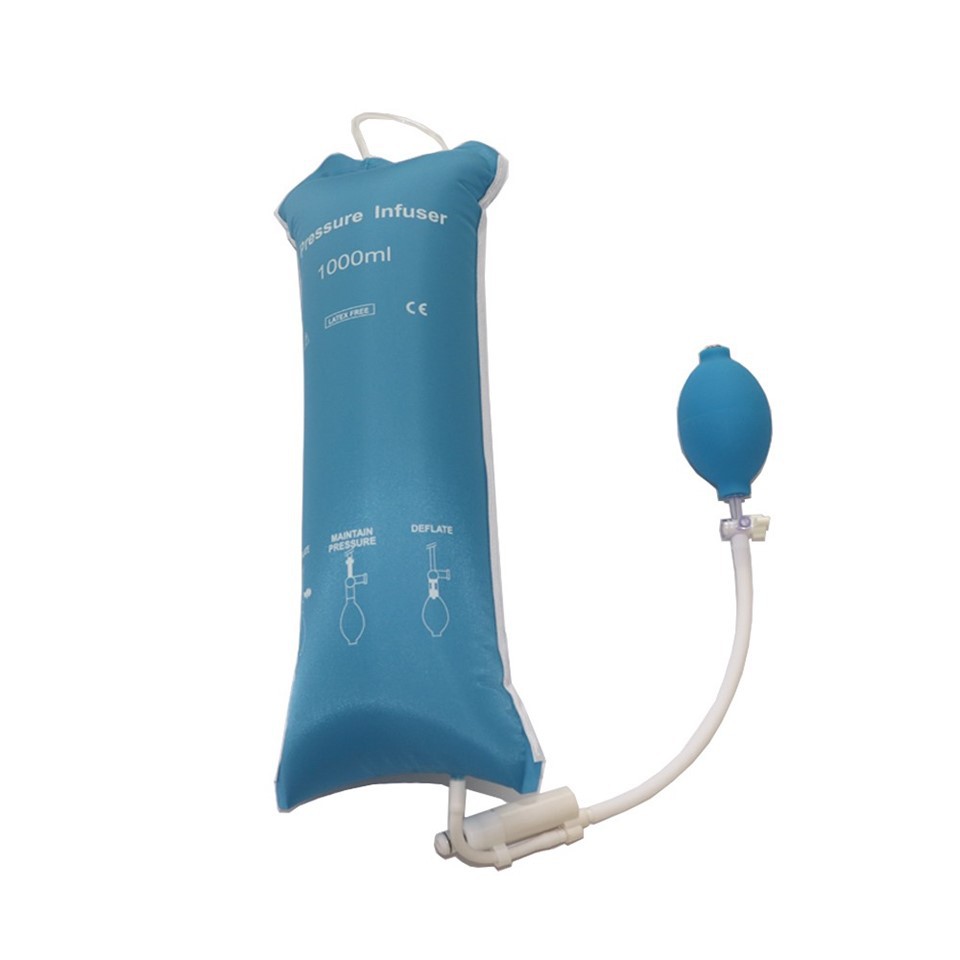
Before delving into storage methods, it's important to understand what a pressure infusor bag is. A pressure infusor bag is a medical device used to deliver fluids, such as blood or saline solution, at a faster rate than normal gravity - fed infusion. It works by applying pressure to the fluid container, forcing the fluid through the infusion set and into the patient's bloodstream. These bags are typically made of durable materials like nylon or PVC and are equipped with features such as pressure gauges or displays to monitor the pressure applied.
Pre - storage Inspection
Before storing a pressure infusor bag, it is essential to conduct a thorough inspection. Check for any signs of damage, such as leaks, tears, or cracks in the bag itself or its components. Inspect the pressure gauge or display to ensure it is functioning correctly. If any damage is detected, the bag should not be stored but instead discarded or repaired according to the manufacturer's instructions. This inspection helps prevent the storage of faulty equipment that could pose risks during future use.
Cleanliness and Sanitization
Proper cleaning and sanitization are vital steps before storing a pressure infusor bag. After each use, the bag should be emptied of any remaining fluid. If the bag is reusable, it should be cleaned with a mild detergent and warm water. Pay special attention to the inside of the bag, where fluid residues may accumulate. Rinse the bag thoroughly to remove all traces of detergent.
For sanitization, you can use a disinfectant recommended by the manufacturer. Follow the instructions on the disinfectant carefully, including the contact time and dilution ratio. Make sure the bag is completely dry before proceeding to storage. Moisture can promote the growth of bacteria and fungi, which can contaminate the bag and compromise its safety.
Storage Environment
The storage environment plays a significant role in maintaining the quality of a pressure infusor bag. Here are some key factors to consider:
Temperature
The ideal storage temperature for pressure infusor bags is usually between 15°C and 30°C (59°F and 86°F). Extreme temperatures can affect the integrity of the bag material and the functionality of its components. High temperatures can cause the plastic or nylon to become brittle or deform, while low temperatures can make the material stiff and more prone to cracking. Avoid storing the bags in areas that are exposed to direct sunlight or near heat sources such as radiators or heaters.
Humidity
Humidity levels should be kept in check. A relative humidity of 30% - 60% is generally recommended. High humidity can lead to the growth of mold and mildew on the bag, which can contaminate the contents and pose a health risk. On the other hand, very low humidity can cause the bag material to dry out and become more fragile. You can use a dehumidifier or a humidifier in the storage area to maintain the appropriate humidity level.
Light
Exposure to light, especially ultraviolet (UV) light, can degrade the material of the pressure infusor bag over time. Store the bags in a dark or low - light environment, such as a closed cabinet or a storage room with minimal natural light. If the bags are stored in a transparent container, consider covering it with a light - blocking material.
Ventilation
Good ventilation is necessary to prevent the buildup of stale air and odors in the storage area. A well - ventilated space helps maintain a clean and fresh environment for the bags. Ensure that the storage area has proper air circulation, either through natural ventilation or the use of fans.
Storage Containers
Choosing the right storage container is also important. If the pressure infusor bags come with their original packaging, it is advisable to keep them in it. The original packaging is designed to protect the bag during transportation and storage. It often provides a certain degree of cushioning and protection from dust and light.
If the original packaging is not available, you can use a clean, sturdy, and sealed container. Plastic storage bins or boxes are a popular choice. Make sure the container is large enough to accommodate the bags without overcrowding them. Overcrowding can cause the bags to become misshapen or damaged.
Label the storage container clearly with information such as the type of pressure infusor bag, the quantity, and the date of storage. This makes it easier to locate and manage the bags in the future.
Stacking and Placement
When storing pressure infusor bags, be careful with stacking and placement. Do not stack the bags too high, as excessive weight can damage the bags at the bottom of the stack. If possible, stack the bags in a single layer or in a way that distributes the weight evenly.
Avoid placing heavy objects on top of the pressure infusor bags. The pressure from heavy objects can cause the bag to deform or damage the pressure gauge or display. Store the bags in an upright position whenever possible to prevent any internal components from shifting or getting damaged.
Rotation and Inventory Management
Proper inventory management is essential for ensuring the timely use of pressure infusor bags. Implement a first - in, first - out (FIFO) system. This means that the bags that were stored first should be used first. Regularly check the expiration dates of the bags, especially if they are single - use items. Remove any expired bags from the storage area to prevent their accidental use.
Maintain an inventory log that records the date of receipt, storage location, and quantity of pressure infusor bags. This log helps you keep track of your stock and ensures that you always have an adequate supply on hand.
Long - term Storage
If you need to store pressure infusor bags for an extended period, additional precautions may be required. Consider wrapping the bags in a protective material, such as a plastic sheet or bubble wrap, to provide an extra layer of protection against dust and physical damage.

Periodically check the stored bags during long - term storage. Inspect them for any signs of damage or degradation. If any issues are detected, take appropriate action, such as replacing the bag or re - evaluating the storage conditions.
Conclusion
Storing a pressure infusor bag correctly is a multi - step process that involves inspection, cleaning, and creating an appropriate storage environment. By following these guidelines, you can ensure the safety and functionality of the bags for future use. As a supplier of pressure infusor bags, I am committed to providing high - quality products and valuable information to our customers. If you have any questions about our products or need further advice on storage, feel free to contact us for procurement and further discussions.
References
- Manufacturer's instructions for pressure infusor bags
- Medical device storage guidelines from relevant healthcare organizations