


Yo, fellow medical peeps! As a supplier of electrosurgical pencils, I've seen firsthand how electrical interference can mess up surgeries big time. It's super annoying when you're in the middle of a procedure, and all of a sudden, the electrosurgical pencil starts acting up due to interference. So, today, I'm gonna share some tips on how to prevent electrical interference when using an electrosurgical pencil.
First off, let's understand what electrical interference is. Electrical interference, also known as electromagnetic interference (EMI), is basically unwanted electrical signals that can disrupt the normal operation of the electrosurgical pencil. These signals can come from various sources, like other medical equipment in the operating room, power lines, or even electronic devices carried by the surgical team.
One of the most common sources of electrical interference is other medical equipment. In an operating room, there are usually a bunch of different devices running at the same time, such as monitors, ventilators, and defibrillators. These devices can generate electromagnetic fields that can interfere with the electrosurgical pencil. To prevent this, it's important to make sure that all the medical equipment in the operating room is properly grounded. Grounding helps to divert the unwanted electrical signals away from the electrosurgical pencil and into the ground.
Another way to reduce the risk of electrical interference from other medical equipment is to keep a safe distance between the electrosurgical pencil and other devices. Try to position the electrosurgical generator and the pencil away from other equipment as much as possible. This can help to minimize the exposure to the electromagnetic fields generated by the other devices.
The cables and connectors used with the electrosurgical pencil can also be a source of electrical interference. Damaged or poorly shielded cables can allow electromagnetic signals to leak in or out, causing interference. That's why it's crucial to regularly inspect the cables and connectors for any signs of damage, such as fraying or exposed wires. If you find any damaged parts, replace them immediately.
Using high - quality cables and connectors can also make a big difference. Look for cables that are specifically designed to be shielded against electromagnetic interference. Shielded cables have an extra layer of protection that helps to block out the unwanted electrical signals. For example, our Electrosurgical Pencil with 12cm Blade Head comes with high - quality, shielded cables to ensure reliable performance and minimize the risk of interference.
The environment in the operating room can also contribute to electrical interference. Things like fluorescent lights, power outlets, and even the metal structures in the room can generate electromagnetic fields. To reduce the impact of the environment, you can use electromagnetic shielding materials. These materials can be placed around the electrosurgical equipment to block out the unwanted signals. Some operating rooms are even designed with special electromagnetic shielding in the walls and ceilings to create a more controlled environment.
Proper maintenance of the electrosurgical pencil is essential for preventing electrical interference. Over time, the pencil can accumulate dirt, debris, and bodily fluids, which can affect its electrical conductivity and increase the risk of interference. Make sure to clean the pencil regularly according to the manufacturer's instructions. You can use a mild cleaning solution and a soft cloth to wipe down the pencil, being careful not to damage any of the components.
In addition to cleaning, it's also important to calibrate the electrosurgical pencil regularly. Calibration ensures that the pencil is operating at the correct power settings and that the electrical signals are being transmitted accurately. Most electrosurgical generators have a built - in calibration function, and it's a good idea to perform a calibration check before each use.
The type of disposable plates used with the electrosurgical pencil can also play a role in preventing electrical interference. We offer both Bipolar Disposable Plate with Cable and Monopolar Disposable Plate with Cable with 6.35 Plug. These plates are designed to provide a stable electrical connection and minimize the risk of interference. When choosing a disposable plate, make sure to select one that is compatible with your electrosurgical pencil and generator.
Training the surgical team is another important aspect of preventing electrical interference. Everyone in the operating room should be aware of the potential sources of interference and the steps that can be taken to prevent it. Provide regular training sessions to educate the team on how to properly use and maintain the electrosurgical pencil, as well as how to recognize and troubleshoot electrical interference issues.
Now, let's talk about the power supply. Using a stable and clean power source is crucial for the proper operation of the electrosurgical pencil. Fluctuations in the power supply can cause the pencil to malfunction and increase the risk of electrical interference. It's a good idea to use a dedicated power outlet for the electrosurgical generator and to avoid plugging other high - power devices into the same circuit. You can also use a power conditioner or an uninterruptible power supply (UPS) to protect the equipment from power surges and voltage fluctuations.
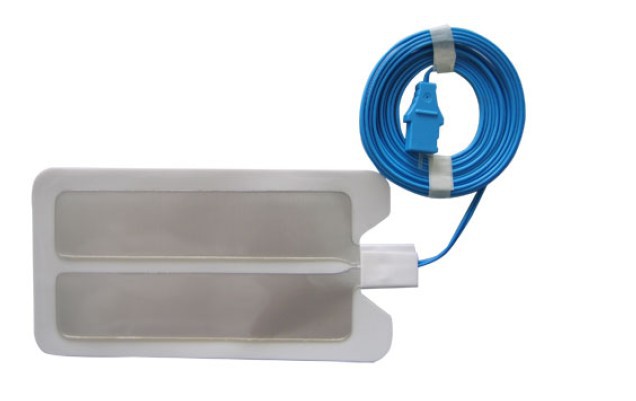

In some cases, electrical interference can be caused by improper positioning of the patient. The patient's body can act as an antenna, picking up electromagnetic signals and causing interference. Make sure to position the patient in a way that minimizes their exposure to electromagnetic fields. Avoid placing the patient near large metal objects or electrical equipment, and make sure that the patient is properly grounded using the disposable plate.
Finally, it's always a good idea to test the electrosurgical pencil before starting a procedure. Turn on the generator and check that the pencil is working properly without any signs of interference. You can do a simple test by activating the pencil on a test pad or a piece of tissue. If you notice any problems, such as inconsistent cutting or abnormal electrical signals, stop using the pencil and troubleshoot the issue.
Preventing electrical interference when using an electrosurgical pencil is all about being proactive and taking the right steps. By following these tips, you can ensure that your electrosurgical pencil operates smoothly and reliably, reducing the risk of complications during surgeries.
If you're interested in purchasing high - quality electrosurgical pencils, disposable plates, and related accessories, don't hesitate to reach out for a purchase negotiation. We're here to provide you with the best products and support to meet your surgical needs.
References
- Medical Device Electromagnetic Compatibility Standards, International Electrotechnical Commission (IEC).
- Electrosurgical Equipment User Manuals, various manufacturers.
- Journal of Surgical Technology, articles on electrosurgical equipment performance and interference prevention.