


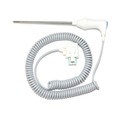


As a supplier of BD Transducer Kits, proper storage is crucial to maintain the quality and performance of these essential medical devices. In this blog, I will share some insights on how to store BD Transducer Kits effectively.
Understanding the Importance of Proper Storage
BD Transducer Kits are precision instruments used in medical settings to measure invasive blood pressure and other physiological parameters accurately. Improper storage can lead to damage, malfunction, or reduced accuracy of these kits, which can have serious implications for patient care. Therefore, it is essential to follow the manufacturer's guidelines and best practices for storage.
Ideal Storage Conditions
The ideal storage conditions for BD Transducer Kits typically include the following:
Temperature
Most BD Transducer Kits should be stored at room temperature, which is generally considered to be between 20°C and 25°C (68°F and 77°F). Extreme temperatures can affect the performance of the transducers and other components. For example, high temperatures can cause the materials to expand, potentially leading to leaks or inaccurate readings. On the other hand, low temperatures can make the components brittle and more prone to damage.
Humidity
The relative humidity in the storage area should be maintained between 30% and 70%. High humidity can promote the growth of mold and bacteria, which can contaminate the kits and pose a risk to patients. Low humidity, on the other hand, can cause the materials to dry out and become brittle.
Light
BD Transducer Kits should be stored in a dark or low - light environment. Exposure to direct sunlight or intense artificial light can degrade the materials and affect the performance of the transducers over time.
Cleanliness
The storage area should be clean and free from dust, dirt, and other contaminants. Dust particles can accumulate on the transducers and other components, potentially interfering with their operation. Regular cleaning of the storage shelves and containers is recommended.
Storage Containers
When storing BD Transducer Kits, it is important to use appropriate storage containers. These containers should be clean, dry, and made of materials that will not react with the kits.
Original Packaging
The original packaging that the BD Transducer Kits come in is often designed to provide adequate protection during storage. It is usually made of materials that can withstand normal handling and storage conditions. If the original packaging is still available, it is a good idea to keep the kits in it.
Plastic Containers
If the original packaging is not available, plastic containers can be used. Make sure the plastic containers are clean and have tight - fitting lids to prevent dust and moisture from entering. Label the containers clearly with the name of the kit, the date of storage, and any other relevant information.
Organization of Storage
Proper organization of the storage area can make it easier to access the BD Transducer Kits when needed and can also help prevent damage.
Shelving
Use sturdy shelving units to store the kits. Arrange the kits in an orderly manner, with the most frequently used kits at eye - level or within easy reach. This will reduce the risk of accidentally knocking over or damaging other kits when retrieving one.
Inventory Management
Keep an inventory of the BD Transducer Kits in storage. This can be done using a simple spreadsheet or a more sophisticated inventory management system. Regularly check the inventory to ensure that you have an adequate supply of kits and to identify any expired or damaged kits.


Handling During Storage
When handling BD Transducer Kits during storage, it is important to be gentle and avoid rough handling.
Avoid Impact
Do not drop or subject the kits to any kind of impact. Even a small impact can damage the delicate transducers and other components, leading to inaccurate readings or complete failure of the kit.
Proper Lifting
When lifting the kits, use proper lifting techniques. Lift with your legs, not your back, to avoid straining your muscles. Also, make sure to hold the kits securely to prevent them from slipping out of your hands.
Special Considerations for Different Types of BD Transducer Kits
There are different types of BD Transducer Kits available, each with its own specific features and requirements. Here are some special considerations for a few common types:
For HP IBP Adapter Cable To PVB Transducer
The For HP IBP Adapter Cable To PVB Transducer is a specialized kit. When storing this type of kit, pay special attention to the cable. Coil the cable neatly to prevent kinking, which can damage the internal wires and affect the performance of the adapter.
Spacelab Compatible - Appott IBP Adapter Cable, Round 6PIN >Appott - 6PIN
The Spacelab Compatible - Appott IBP Adapter Cable, Round 6PIN >Appott - 6PIN also requires careful handling of the cable. Make sure the connectors are protected from dust and moisture. You can use small plastic caps or covers to protect the connectors when the kit is in storage.
Double Channel IBP Transducer For Edward
The Double Channel IBP Transducer For Edward is a more complex kit. Store it in a way that protects the transducers and the connectors. If possible, use a foam - lined container to provide extra cushioning and protection.
Conclusion
Proper storage of BD Transducer Kits is essential to ensure their quality and performance. By following the guidelines on temperature, humidity, light, cleanliness, storage containers, organization, and handling, you can extend the lifespan of these kits and reduce the risk of malfunction. If you are interested in purchasing BD Transducer Kits or have any questions about their storage or use, feel free to contact us for further discussion and procurement negotiation.
References
- Manufacturer's guidelines for BD Transducer Kits
- General best practices for medical device storage