


Can an electrosurgical pencil be used in plastic surgeries? This question has become a hot topic in the medical device industry and among plastic surgeons. As a supplier of electrosurgical pencils, I am well - versed in the capabilities and limitations of these tools in plastic surgeries.
Understanding Electrosurgical Pencils
An electrosurgical pencil is a medical device that uses electrical current to cut, coagulate, or desiccate tissue. It typically consists of a handle, an electrode, and a connecting cable. The electrical current passes through the electrode, which is in contact with the tissue, generating heat that causes the desired tissue effect.
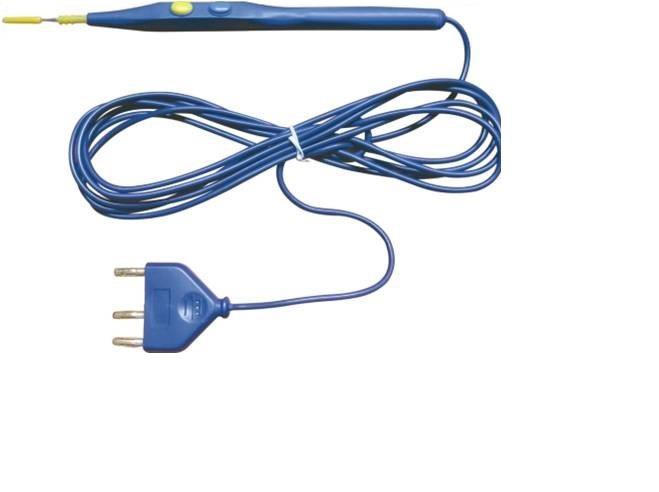

There are different types of electrosurgical pencils available on the market. For instance, the Foot Control Electrosurgical Pencil with 6.3 Connector offers surgeons the convenience of foot - controlled operation. This can be particularly useful in surgeries where the surgeon needs to quickly switch between cutting and coagulation modes without having to use their hands to adjust the settings on the pencil itself.
Another type is the Electrosurgical Pencil with 4cm Blade Head. The longer blade head can provide greater reach and precision in certain surgical procedures, allowing surgeons to access deep - seated or hard - to - reach tissues more effectively.
Applications of Electrosurgical Pencils in Plastic Surgeries
Plastic surgeries cover a wide range of procedures, from aesthetic surgeries like facelifts, breast augmentations, and liposuctions to reconstructive surgeries after trauma or disease. Electrosurgical pencils can play a significant role in many of these procedures.
1. Hemostasis
One of the most important functions of electrosurgical pencils in plastic surgeries is achieving hemostasis. In any surgical procedure, controlling bleeding is crucial for a clear surgical field and to minimize blood loss. The coagulation function of electrosurgical pencils allows surgeons to seal blood vessels during the operation. For example, in a facelift surgery, small blood vessels in the subcutaneous tissue can be quickly coagulated using the electrosurgical pencil, reducing the amount of bruising and swelling post - surgery. This not only improves the surgeon's visibility during the operation but also contributes to a faster recovery for the patient.
2. Tissue Cutting
Electrosurgical pencils can be used for precise tissue cutting. Unlike traditional scalpels, which rely on mechanical force to cut through tissue, electrosurgical pencils use electrical energy. This can result in a cleaner cut with less trauma to the surrounding tissue. In procedures such as liposuctions, the electrosurgical pencil can be used to make incisions for the insertion of the liposuction cannula. The Electrosurgical Pencil with 4cm Blade Head can be very effective in making small, precise incisions in the skin and subcutaneous tissue.
3. Tissue Desiccation
In some plastic surgery procedures, it may be necessary to dry out or desiccate small areas of tissue. For example, in the treatment of skin lesions or small tumors, the electrosurgical pencil can be used to desiccate the abnormal tissue. This helps to prevent the spread of the lesion and also aids in the removal of the tissue.
Advantages of Using Electrosurgical Pencils in Plastic Surgeries
1. Precision
Electrosurgical pencils offer a high degree of precision. Surgeons can control the amount of electrical energy delivered to the tissue, allowing for very fine - tuned cutting and coagulation. This is especially important in plastic surgeries, where the goal is often to achieve a natural - looking result with minimal scarring. The ability to precisely target and treat specific areas of tissue helps to ensure the best possible aesthetic outcome.
2. Reduced Bleeding
As mentioned earlier, the coagulation function of electrosurgical pencils helps to control bleeding during the surgery. This is not only beneficial for the surgical procedure itself but also for the patient's recovery. Less blood loss means a reduced risk of complications and a faster return to normal activities.
3. Efficiency
Electrosurgical pencils can speed up the surgical process. They can perform both cutting and coagulation functions in a single instrument, eliminating the need to switch between different tools. This can be a significant advantage in long and complex plastic surgery procedures, where time is of the essence.
Challenges and Considerations
While electrosurgical pencils offer many advantages in plastic surgeries, there are also some challenges and considerations that surgeons need to be aware of.
1. Thermal Damage
The use of electrical energy to cut and coagulate tissue can generate heat, which may cause thermal damage to the surrounding tissue. This can lead to issues such as scarring, tissue necrosis, and delayed wound healing. Surgeons need to carefully control the power settings of the electrosurgical pencil and use appropriate techniques to minimize thermal damage. They also need to be aware of the sensitivity of the tissue in plastic surgeries, as aesthetic outcomes are often crucial.
2. Compatibility with Other Devices
Electrosurgical pencils need to be compatible with the electrosurgical generator being used. In addition, in some plastic surgery settings, they may need to be used in conjunction with other devices such as Monopolar Disposable Plate with Cable. Ensuring proper compatibility between these devices is essential to ensure safe and effective operation.
Conclusion
In conclusion, electrosurgical pencils can be effectively used in plastic surgeries. They offer several advantages, including precision, reduced bleeding, and efficiency. However, surgeons need to be aware of the potential challenges, such as thermal damage and device compatibility. As a supplier of electrosurgical pencils, we are committed to providing high - quality products that meet the needs of plastic surgeons. Our range of electrosurgical pencils, including the Foot Control Electrosurgical Pencil with 6.3 Connector and the Electrosurgical Pencil with 4cm Blade Head, are designed to offer the best performance and safety in plastic surgery procedures.
If you are a plastic surgeon or a medical institution interested in learning more about our electrosurgical pencils or would like to discuss your procurement needs, we encourage you to reach out. We are here to provide you with detailed product information and support to ensure that you have the right tools for your plastic surgery practice.
References
- Smith, J. A. (2018). Electrosurgical techniques in plastic surgery. Journal of Plastic, Reconstructive & Aesthetic Surgery, 71(2), 168 - 174.
- Johnson, K. L., & Thomson, R. B. (2020). The use of electrosurgical devices in modern surgical practice. Surgical Clinics, 100(3), 531 - 545.
- Brown, M. C. (2019). Advances in electrosurgical technology for plastic and reconstructive surgery. Plastic Surgery Reviews, 15(4), 221 - 229.