


Scoliosis is a medical condition characterized by an abnormal lateral curvature of the spine. It can affect people of all ages, from infants to the elderly, and its severity can range from mild to severe. As a supplier of pulse oximeters, a common question we often encounter is whether a pulse oximeter can be used on patients with scoliosis. In this blog post, we will explore this topic in detail, discussing the functionality of pulse oximeters, the potential challenges in using them on scoliosis patients, and the best practices for accurate readings.
Understanding Pulse Oximeters
A pulse oximeter is a non - invasive medical device used to measure the oxygen saturation level (SpO₂) in a person's blood and their heart rate. It works by emitting two wavelengths of light - red and infrared - through a part of the body, usually a fingertip, earlobe, or toe. Hemoglobin in the blood absorbs these lights differently depending on whether it is oxygenated or deoxygenated. The pulse oximeter then calculates the ratio of oxygenated to deoxygenated hemoglobin and provides a percentage value representing the oxygen saturation in the blood.
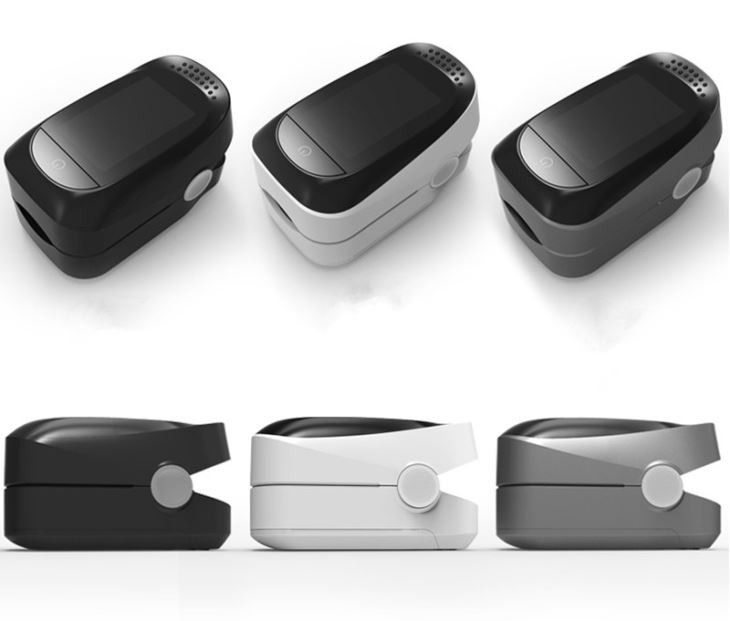
Pulse oximeters are widely used in various healthcare settings, including hospitals, clinics, and even at home. They are essential tools for monitoring patients with respiratory conditions, heart diseases, and those undergoing surgery. Our company offers a range of high - quality pulse oximeters, such as the Portable Finger Oximeter Fingertip Household Health Monitors, Medical Household Digital Fingertip Pulse Oximeter, and Portable Fingertip Pulse Oximeter, which are designed to provide accurate and reliable readings.
Scoliosis and Its Potential Impact on Pulse Oximetry
Scoliosis can potentially affect the use of a pulse oximeter in several ways. Firstly, severe scoliosis can cause significant deformation of the rib cage, which may lead to restricted lung function. Reduced lung capacity can result in lower oxygen saturation levels in the blood. When using a pulse oximeter on a scoliosis patient, it is important to understand that the readings may reflect the patient's underlying lung impairment rather than a problem with the device itself.
Secondly, scoliosis can also cause postural changes. Patients with scoliosis may have difficulty maintaining a proper sitting or lying position, which can affect blood circulation in the extremities. Since pulse oximeters are typically placed on the fingers, toes, or earlobes, poor blood flow to these areas can lead to inaccurate readings. For example, if a patient's arm is in an awkward position due to scoliosis - related postural issues, blood may not flow smoothly to the fingertips, causing the pulse oximeter to give inconsistent or unreliable results.
Factors Affecting Pulse Oximeter Readings in Scoliosis Patients
Blood Circulation
As mentioned earlier, scoliosis - induced postural changes can disrupt blood circulation. Additionally, some scoliosis patients may have associated neurological or vascular problems that further compromise blood flow. Cold temperatures can also exacerbate poor circulation. To obtain accurate readings, it is advisable to ensure that the patient's extremities are warm. If the fingers are cold, gently rubbing them or using a warm compress can help improve blood flow.
Movement and Tremors
Scoliosis patients may experience involuntary movements or tremors, especially if the condition affects the nervous system. These movements can interfere with the pulse oximeter's ability to detect the pulse accurately. In such cases, it may be necessary to hold the patient's finger still during the measurement or use a more secure attachment method for the oximeter.
Nail Polish and Artificial Nails
Nail polish and artificial nails can absorb or reflect the light used by the pulse oximeter, leading to inaccurate readings. It is recommended to remove nail polish or artificial nails from the finger where the oximeter will be placed.
Best Practices for Using Pulse Oximeters on Scoliosis Patients
Proper Placement
Ensure that the pulse oximeter is placed correctly on the finger, toe, or earlobe. The device should fit snugly but not too tightly, as excessive pressure can also impede blood flow. If the patient has difficulty keeping the oximeter in place due to postural issues, using an adjustable strap or a more secure clip - on design can be helpful.
Multiple Readings
To increase the reliability of the readings, take multiple measurements at different times and from different extremities. Compare the results to identify any significant variations. If there are large discrepancies, it may be necessary to consult a healthcare professional for further evaluation.
Patient Comfort
Make sure the patient is comfortable during the measurement. A comfortable patient is more likely to remain still, which can improve the accuracy of the readings. Provide appropriate support to help the patient maintain a proper position.

Conclusion
In conclusion, a pulse oximeter can be used on patients with scoliosis, but certain precautions need to be taken to ensure accurate readings. The presence of scoliosis may pose challenges due to restricted lung function, postural changes, and potential blood circulation issues. By understanding these factors and following the best practices outlined above, healthcare providers and caregivers can obtain reliable oxygen saturation and heart rate measurements.
As a leading supplier of pulse oximeters, we are committed to providing high - quality products that can meet the needs of patients with various medical conditions, including scoliosis. Our range of pulse oximeters, such as the Portable Finger Oximeter Fingertip Household Health Monitors, Medical Household Digital Fingertip Pulse Oximeter, and Portable Fingertip Pulse Oximeter, are designed with advanced technology to provide accurate and stable readings.
If you are interested in purchasing our pulse oximeters for use in a healthcare facility or for personal use, we encourage you to contact us for more information and to discuss your specific requirements. Our team of experts is ready to assist you in finding the most suitable product for your needs.
References
- American Academy of Orthopaedic Surgeons. (2023). Scoliosis. Retrieved from [AAOS official website]
- National Heart, Lung, and Blood Institute. (2023). Pulse Oximetry. Retrieved from [NHLBI official website]
- Journal of Clinical Monitoring and Computing. (2022). Factors Affecting Pulse Oximetry Accuracy. Volume 36, Issue 2.