


Osteoporosis is a prevalent bone disease characterized by reduced bone density and increased bone fragility, which affects millions of people worldwide, especially the elderly and post - menopausal women. A pulse oximeter is a non - invasive medical device that measures the oxygen saturation of a patient's blood and their pulse rate. As a pulse oximeter supplier, I often receive inquiries about whether a pulse oximeter can be used on patients with osteoporosis. In this blog, I will explore this question from a scientific perspective.
How Pulse Oximeters Work
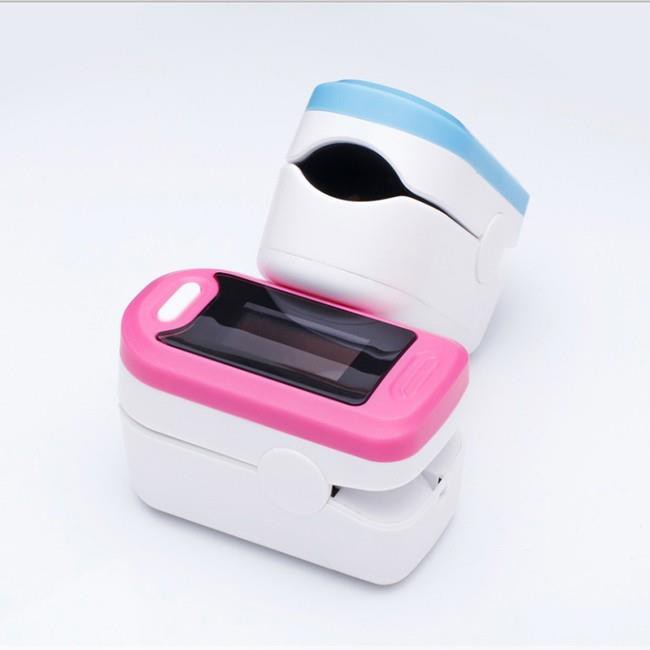
Before delving into the use of pulse oximeters on osteoporosis patients, it's essential to understand how these devices operate. A pulse oximeter typically consists of a probe that is usually clipped onto a finger, toe, or earlobe. The probe emits two wavelengths of light - red and infrared. Hemoglobin, the protein in red blood cells that carries oxygen, absorbs these two types of light differently depending on whether it is oxygenated or deoxygenated. By measuring the ratio of the absorption of red and infrared light, the pulse oximeter can calculate the percentage of oxygen - saturated hemoglobin in the blood, known as SpO2 (peripheral oxygen saturation).
Considerations for Osteoporosis Patients
Physical Limitations
Patients with osteoporosis often have fragile bones, which may pose some challenges when using a pulse oximeter. Traditional fingertip pulse oximeters require the patient to insert a finger into a clip. For osteoporosis patients, the pressure exerted by the clip might cause discomfort or even potential harm to the bones. However, this is not always the case. Most modern pulse oximeters are designed with adjustable clips that can be set to apply minimal pressure. For example, our Wrist Pluse Oximeter Prince - 100G offers a gentle and comfortable fit, reducing the risk of excessive pressure on the bones. It can be worn on the wrist, which is a more stable and less bone - sensitive area compared to the fingers.
Skin and Blood Flow
Osteoporosis can sometimes be associated with poor blood circulation and changes in the skin. Reduced blood flow may affect the accuracy of pulse oximeter readings. Since the device measures the oxygen saturation based on the light absorption of hemoglobin in the blood, if blood flow is restricted, the readings may not accurately reflect the patient's actual oxygen levels. However, if the patient has relatively normal blood flow in the area where the pulse oximeter is placed, this should not be a significant issue. Our Blood Oxygen SPO2 Heart Rate Health Monitor is highly sensitive and can detect even subtle changes in blood oxygen levels, compensating to some extent for minor blood flow irregularities.
Cognitive and Motor Skills
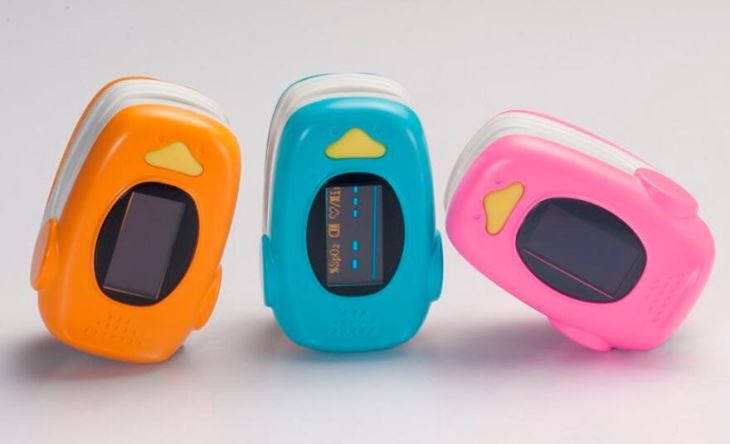
Many osteoporosis patients are elderly, and they may have cognitive or motor skill impairments. This can make it difficult for them to operate a traditional fingertip pulse oximeter. In such cases, a more user - friendly device would be beneficial. Our Children Fingertip Pulse Oximeter, although named for children, is also suitable for patients with limited dexterity. It has a simple one - click design and a clear display, making it easy for patients to use independently.
Evidence from Clinical Studies
There is limited specific research on the use of pulse oximeters in osteoporosis patients. However, general studies on pulse oximetry suggest that as long as the device is properly used and the patient has adequate blood flow in the measurement site, the readings are reliable. For example, a study published in the Journal of Clinical Monitoring and Computing found that pulse oximeters were accurate in patients with various comorbidities, including those with circulatory and musculoskeletal disorders. While osteoporosis was not the primary focus of this study, it indicates that in most cases, pulse oximeters can be used effectively on patients with underlying health conditions.
Benefits of Using Pulse Oximeters for Osteoporosis Patients
Early Detection of Respiratory Complications
Osteoporosis patients are at an increased risk of developing respiratory complications, such as pneumonia and fractures of the ribs, which can affect breathing. Regular monitoring of oxygen saturation using a pulse oximeter can help detect early signs of respiratory distress. For instance, a sudden drop in SpO2 levels may indicate a problem with the patient's breathing, allowing for timely medical intervention.
Monitoring Overall Health
Oxygen saturation is an important indicator of a patient's overall health. By regularly monitoring SpO2 and pulse rate, caregivers and healthcare providers can gain insights into the patient's physiological status. This information can be used to adjust treatment plans, especially for patients who are on medications that may affect their respiratory function.
Recommendations for Using Pulse Oximeters on Osteoporosis Patients
Choose the Right Device
As mentioned earlier, it is crucial to select a pulse oximeter that is suitable for the patient's condition. Consider factors such as the pressure exerted by the device, ease of use, and sensitivity. Our range of pulse oximeters, including the Wrist Pluse Oximeter Prince - 100G, Children Fingertip Pulse Oximeter, and Blood Oxygen SPO2 Heart Rate Health Monitor, are designed to meet the diverse needs of patients, including those with osteoporosis.
Proper Placement
Ensure that the pulse oximeter is placed correctly on the patient. If using a fingertip device, make sure the finger is clean and dry, and the device is centered over the nail bed. For wrist - worn devices, ensure a proper fit so that the sensors can accurately detect the blood flow.
Regular Calibration
Like any medical device, pulse oximeters need to be calibrated regularly to ensure accurate readings. Follow the manufacturer's instructions for calibration and maintenance.
Conclusion
In conclusion, a pulse oximeter can be used on patients with osteoporosis. Although there are some considerations, such as physical limitations and blood flow, with the right device selection and proper usage, the device can provide valuable information about the patient's oxygen saturation and pulse rate. As a pulse oximeter supplier, we are committed to providing high - quality, user - friendly devices that can be safely and effectively used by patients with various health conditions, including osteoporosis.
If you are interested in purchasing our pulse oximeters for your patients or for personal use, please feel free to contact us for more information and to start a procurement discussion. We look forward to serving you and helping to improve the health monitoring of osteoporosis patients.
References
- Journal of Clinical Monitoring and Computing. General accuracy of pulse oximetry in patients with comorbidities.