


Hey there! As a pulse oximeter supplier, I often get asked if these nifty devices can be used on children. Well, let's dive right in and find out.
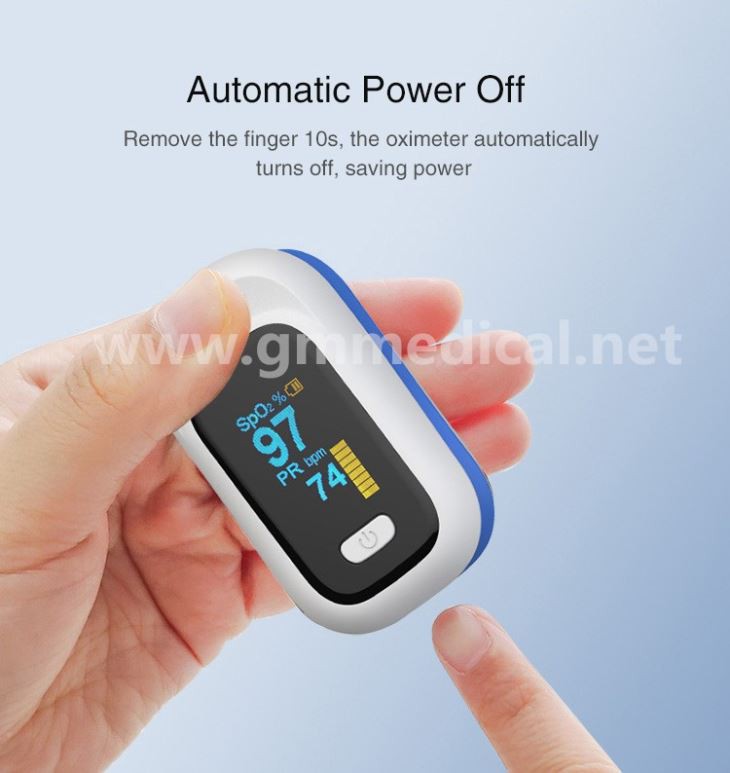
First off, what exactly is a pulse oximeter? It's a small, non - invasive device that clips onto your finger (or sometimes other body parts like the earlobe). It uses light to measure the oxygen saturation in your blood, which is basically how much oxygen your red blood cells are carrying, and your heart rate. Pretty cool, right?
Now, can you use a pulse oximeter on kids? The short answer is yes, but there are some things to keep in mind.
Suitability for Different Age Groups
Infants
For infants, using a pulse oximeter can be a bit tricky. Their fingers are so tiny that a regular adult - sized pulse oximeter won't fit properly. But don't worry, there are special infant - sized pulse oximeters available. These are designed to be gentle on their delicate skin and fit snugly on their tiny fingers or even their feet.
When choosing an oximeter for an infant, accuracy is super important. You want to make sure it's giving you reliable readings. Our Mini OLED Finger - Clamp Pulse Oximeter is a great option. It's small, lightweight, and has a high - precision sensor that can provide accurate readings even for the smallest of patients.
Toddlers and Young Children
As kids grow into toddlers and young children, they usually have bigger fingers, and most standard fingertip pulse oximeters will fit. However, getting them to sit still long enough to get an accurate reading can be a challenge. You might have to get a bit creative. Maybe turn it into a game, like pretending they're a doctor checking their own "super - hero" powers (the power of oxygen in their blood).
Our Medical Household Digital Fingertip Pulse Oximeter is a user - friendly option for this age group. It has a clear digital display that shows the oxygen saturation and heart rate numbers, which can be exciting for kids to look at. And it's durable, so if they accidentally drop it, it can usually take a bit of a beating.
Older Children
Older children are generally more cooperative when it comes to using a pulse oximeter. They can understand the concept of what the device is doing and are usually willing to sit still for a few seconds to get a reading. At this stage, you can choose from a wider range of oximeters based on your specific needs.
The LED Display Blood Oxygen Monitor Fingertip is a great choice. It has a bright LED display that's easy to read, and it's very accurate. It's also portable, so if your child is on the go, you can easily take it with you.
Accuracy and Reliability
When it comes to using a pulse oximeter on children, accuracy is key. There are a few factors that can affect the accuracy of the readings.
Movement is one of the biggest culprits. As I mentioned earlier, getting kids to sit still can be tough. Even a little bit of wiggling can cause the oximeter to give inaccurate readings. That's why it's important to try to keep them calm and still while taking a measurement.
Another factor is the quality of the oximeter itself. Cheaper, low - quality oximeters might not give accurate readings, especially in children. That's where our products come in. We use high - quality sensors and advanced technology to ensure that our oximeters give reliable readings every time.
Safety Considerations
Safety is always a top priority when it comes to our little ones. Pulse oximeters are generally safe to use on children, but there are a few things to watch out for.
The clip on the oximeter should be gentle on the child's skin. It shouldn't be too tight, as that can cause discomfort or even damage to the skin. Make sure to check the fit regularly, especially if your child has been moving around a lot.
Also, keep the oximeter clean. You can use a soft, damp cloth to wipe it down after each use. This helps prevent the spread of germs.
When to Use a Pulse Oximeter on Children
There are several situations where using a pulse oximeter on a child can be beneficial.

If your child has a respiratory illness, like a cold, flu, or asthma, monitoring their oxygen saturation can give you an idea of how well their lungs are working. A sudden drop in oxygen levels could be a sign that their condition is getting worse and that they might need medical attention.
It can also be useful if your child is at high altitude. At higher altitudes, the air has less oxygen, and it's important to make sure they're getting enough. A pulse oximeter can help you keep an eye on their oxygen levels and take appropriate action if needed.
How to Use a Pulse Oximeter on Children
Using a pulse oximeter on a child is fairly straightforward.
First, make sure the oximeter is turned on and functioning properly. Then, gently place the oximeter on the child's finger (or other appropriate body part, depending on the type of oximeter). Make sure it's sitting snugly but not too tight.
Wait a few seconds for the oximeter to take a reading. Most oximeters will beep or give some other indication when the reading is ready. Then, read the oxygen saturation and heart rate numbers on the display.
It's a good idea to take multiple readings at different times to get a more accurate picture of your child's oxygen levels.
Conclusion
So, in conclusion, yes, a pulse oximeter can definitely be used on children. Whether it's an infant, toddler, or older child, there are suitable options available. Just make sure to choose a high - quality oximeter, take into account the child's age and behavior, and follow the safety guidelines.
If you're interested in purchasing a pulse oximeter for your child or for a medical facility, we'd love to talk to you. We offer a wide range of pulse oximeters that are suitable for children of all ages. Contact us for more information and to start the procurement process. We're here to help you make the best choice for your little ones' health.
References
- American Academy of Pediatrics. (2023). Guidelines for pediatric respiratory care.
- Mayo Clinic. (2023). Pulse oximetry: What it is and how it works.
- World Health Organization. (2023). Best practices for using medical devices on children.