


Hey there! As a supplier of 10 - lead EKG leadwires, I often get asked whether these can be used for long - term monitoring. It's a super important question, especially in the medical field where accurate and consistent data is crucial. So, let's dive right in and explore this topic.

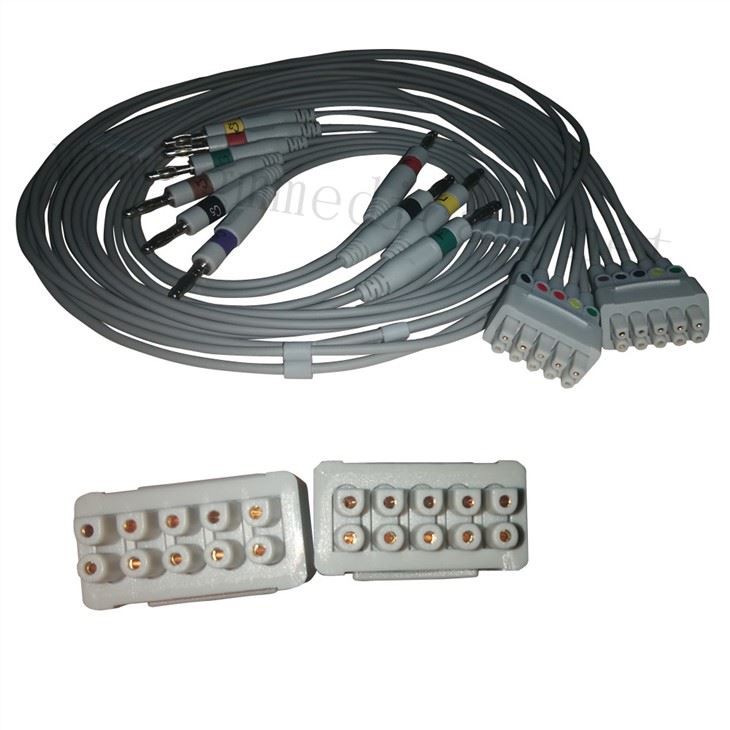
First off, what exactly are 10 - lead EKG leadwires? Well, they're an essential part of an electrocardiogram (EKG) system. An EKG is a test that records the electrical activity of the heart. The 10 - lead system provides a more comprehensive view of the heart's electrical signals compared to some other lead systems. It includes electrodes placed on the limbs and the chest, which pick up the electrical impulses generated by the heart and transmit them to the EKG machine for analysis.
Now, let's talk about long - term monitoring. In the medical world, long - term monitoring usually means continuously tracking a patient's heart activity over an extended period, which could be days, weeks, or even months. This is often done for patients with certain heart conditions, like arrhythmias, where intermittent events need to be captured.
So, can 10 - lead EKG leadwires be used for long - term monitoring? The short answer is yes, but there are some factors to consider.
Advantages of Using 10 - Lead EKG Leadwires for Long - Term Monitoring
One of the biggest advantages is the detailed information they provide. The 10 - lead system offers a more complete picture of the heart's electrical activity. This means that doctors can detect subtle changes in the heart rhythm that might be missed with a less comprehensive lead system. For example, in patients with complex arrhythmias, the additional leads can help identify the origin and pattern of abnormal electrical impulses more accurately.
Another advantage is that modern 10 - lead EKG leadwires are designed to be more comfortable for the patient. They're made with soft, flexible materials that minimize skin irritation, which is a big deal when the patient has to wear them for a long time. This comfort factor can improve patient compliance, as they're more likely to keep the leadwires on as prescribed if they're not constantly bothered by discomfort.
Also, from a technical standpoint, these leadwires are quite reliable. They're built to have a good signal - to - noise ratio, which means that the electrical signals they pick up are clear and accurate. This is essential for long - term monitoring, where any interference or noise in the signal could lead to misinterpretation of the data.
Challenges of Using 10 - Lead EKG Leadwires for Long - Term Monitoring
However, there are also some challenges. One of the main issues is the potential for skin irritation. Even though the leadwires are designed to be comfortable, the adhesive used to attach the electrodes to the skin can cause problems over time. Prolonged contact with the adhesive can lead to skin redness, itching, and in some cases, even skin breakdown. This not only causes discomfort for the patient but can also affect the quality of the EKG signal if the electrodes start to come loose.
Another challenge is the risk of leadwire damage. Since the patient is wearing the leadwires for an extended period, there's a higher chance of the wires getting tangled, pulled, or otherwise damaged. This can disrupt the electrical connection between the electrodes and the EKG machine, leading to inaccurate or incomplete data.
Maintenance is also a concern. The electrodes need to be replaced regularly to ensure good contact with the skin and accurate signal transmission. And the leadwires themselves may need to be inspected for signs of wear and tear. If not properly maintained, the performance of the 10 - lead EKG system can deteriorate over time.
Compatibility and Quality
When it comes to long - term monitoring, the compatibility of the 10 - lead EKG leadwires with the EKG machine is crucial. We offer a range of leadwires that are compatible with different EKG machines. For instance, we have the Compatible With GE MAC500 800 1200 1200ST 1600 Multi - Link Leadwire Set , Banana Ending ,AHA, which is designed to work seamlessly with GE's popular EKG models. This ensures that you get accurate and reliable data during long - term monitoring.
We also have leadwires that are compatible with Philips machines, like the Compatible Philips EKG Leadwire 989803129161 and the Compatible Philips ECG Leadwire M1968A. These leadwires are made with high - quality materials to ensure long - lasting performance, even during extended use.
Tips for Long - Term Use
If you're using 10 - lead EKG leadwires for long - term monitoring, here are some tips to keep in mind. First, make sure to properly prepare the patient's skin before attaching the electrodes. Clean the skin with a mild soap and water, and dry it thoroughly. This can help reduce the risk of skin irritation.
Second, regularly check the leadwires and electrodes for any signs of damage or wear. Replace the electrodes as needed to maintain good contact with the skin. And if you notice any tangles in the leadwires, gently untangle them to avoid breaking the wires.
Finally, follow the manufacturer's instructions for using and maintaining the leadwires. Different models may have specific requirements, so it's important to read the manual carefully.
Conclusion
In conclusion, 10 - lead EKG leadwires can definitely be used for long - term monitoring. They offer many advantages in terms of the detailed information they provide and the overall accuracy of the EKG data. However, there are also some challenges, such as skin irritation and leadwire damage, that need to be addressed.
If you're in the market for high - quality 10 - lead EKG leadwires for long - term monitoring, we're here to help. Our leadwires are designed to meet the needs of both patients and medical professionals, offering comfort, reliability, and compatibility with a variety of EKG machines.
If you have any questions or are interested in purchasing our 10 - lead EKG leadwires, feel free to reach out. We're always happy to discuss your specific requirements and find the best solution for you.
References
- Thakor, N. V., & Zhu, Y. (2012). Biomedical Signal Processing. Elsevier.
- Goldberger, A. L., Amaral, L. A. N., Glass, L., Hausdorff, J. M., Ivanov, P. C., Mark, R. G., ... & Stanley, H. E. (2000). PhysioBank, PhysioToolkit, and PhysioNet: Components of a new research resource for complex physiologic signals. Circulation [Online]. 101 (23), pp. e215–e220.